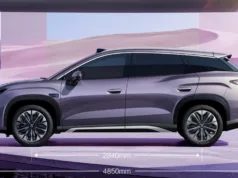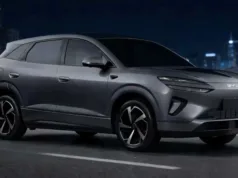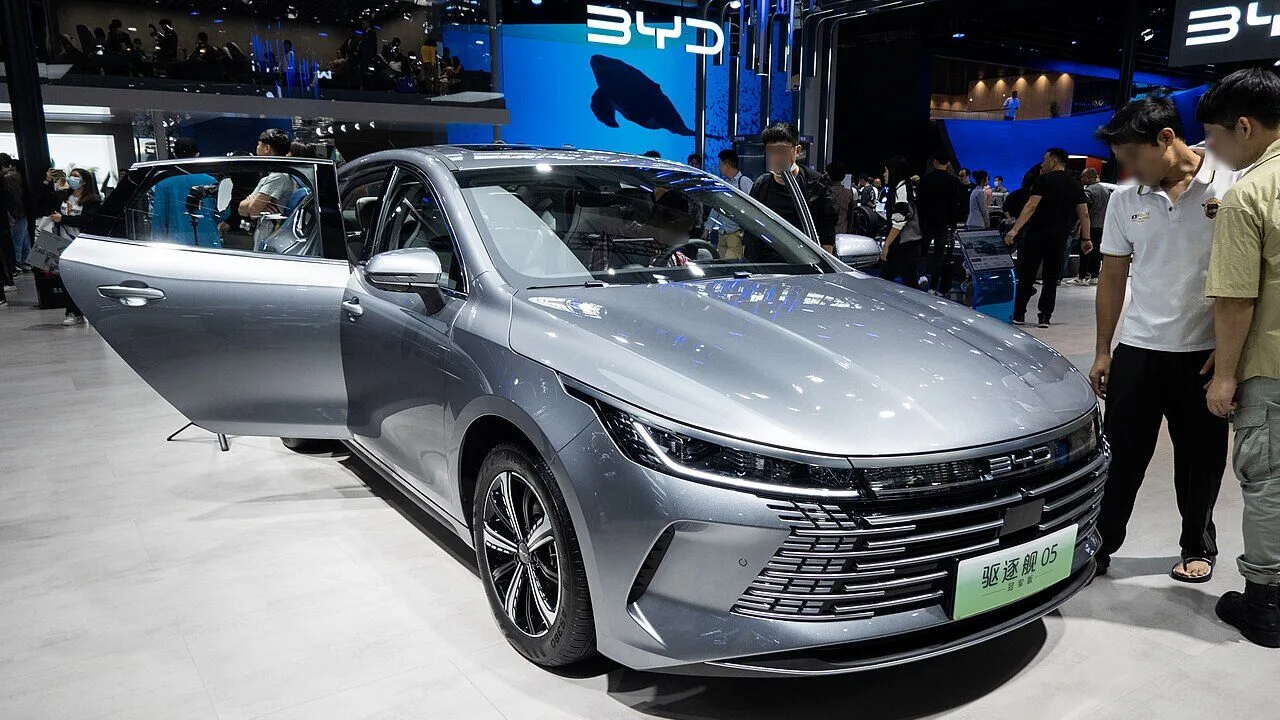
In a milestone moment for the global auto industry, China’s BYD Company has eclipsed Ford Motor Company in worldwide vehicle sales for calendar year 2025, underscoring the accelerating influence of electric and plug-in hybrid vehicles in global markets.
According to multiple industry reports, BYD delivered approximately 4.6 million vehicles worldwide last year, beating Ford’s 4.4 million units by roughly 200,000 vehicles. This feat is remarkable because it marks the first time in history that BYD has outpaced Ford on total global deliveries.
A Historic Shift in the Global Auto Landscape
The 2025 sales figures place BYD at sixth largest among global automakers, meaning Ford slipped to seventh in total global deliveries. Toyota remains the dominant global seller with sales exceeding 10 million units followed by Volkswagen Group, Hyundai Motor (including Kia and Genesis), General Motors, and Stellantis.
BYD’s sixth position in the global automotive sales index is particularly notabble for an auto maker that focuses almost exclusively on new energy vehicles (NEVs) — a category that includes battery-electric vehicles (BEVs) and plug-in hybrid vehicles (PHEVs).

Unlike Ford’s broad portfolio spanning traditional internal combustion engines, BYD withdrew from conventional petrol/diesel-only models in 2022 to concentrate on electrified platforms.
The broader automotive market also continued to grow in 2025. China accounted for a record 35.6 percent of global vehicle sales, outpacing other regions as consumers increasingly shifted toward electrified transport. Total worldwide automotive sales reached an estimated 96.47 million units, with China selling just over 34 million vehicles.
Within this expansive market, BYD not only fortified its domestic lead but also expanded internationally. By mid-2025, BYD automobile exports crossed 1 million units, driven largely by demand in Europe, Southeast Asia, South America, and other emerging markets.
Its overseas sales performance made significant contributions to the overall tally and turned international markets into a key growth engine.
BYD’s Growing Footprint and Strengths

BYD’s success stems from a combination of competitive pricing, a diversified model range, and strong performance in both BEV and plug-in hybrid segments. In 2025, the company reported approximately 2.26 million light BEVs sold, marking a strong uptick in demand for pure electric models globally.
The company’s strategy of innovation and volume production has helped it surpass even Tesla in BEV volumes, with BYD leading the world in pure electric volume while continuing to diversify its electrified portfolio.
BYD’s climb to 6th place globally in 2025 meant it outperformed not only Ford but also several other major Western automakers. Stellantis is still ahead at ~5.5 million, but BYD is closing in. At ~6.2 million, GM remains above BYD, but BYD’s growth trajectory is sharper.

BYD comfortably outsold Tesla in 2025 to become the world’s largest EV brand by volume. Tesla’s sales fell, while BYD’s surged, especially in battery‑electric and plug‑in hybrids.
This matters because BYD isn’t just competing with Ford. The implication of its MY25 performance is that it’s now challenging Stellantis and GM, two of the biggest Western groups.
BYD’s strength in affordable EVs and hybrids gave it an edge over Tesla, which spotlights how Western brands are struggling to match China’s scale and pricing.
Legacy automakers in the West are under pressure to accelerate electrification and rethink global market strategies, as Chinese brands are now firmly entrenched in the top 10.
Ford’s Challenges and Strategy Shift
2025 was a particularly challenging year for Ford, and that’s not just because it managed to earn the crown of the most recalled brand of the year. The American legacy manufacturer saw global deliveries slip year-on-year even as its U.S. sales recorded modest growth.

Ford’s struggles in key markets like China and Europe, coupled with intense competition from more affordable EVs from Chinese brands, have weighed on its global footprint.
In response, Ford’s leadership has signaled renewed focus on affordable EV models, with upcoming vehicles expected to start around $30,000 to appeal to broader global consumer segments. The company is also accelerating investments in flexible electric platforms intended to compete more directly with global EV challengers.
Ultimately, the 2025 results underscore a broader transformation of the automotive industry, where electrified mobility and agile manufacturing strategies are reshaping traditional hierarchies.
As BYD continues to scale both domestically and abroad and legacy automakers recalibrate their strategies, the coming years are likely to see further shifts in global market share and consumer preferences.
It stands to reason that if current trends persist, more traditional players may either expand their EV portfolios rapidly or face additional downward pressure in global rankings. BYD’s performance in 2025 may be just the beginning of a long-term restructuring of global automotive leadership — a new automotive world order, if you will.
Sources: CleanTechnica, Electrek