China has put an end to its long-running electric vehicle price wars, but this still won’t help the United States as it struggles to keep up with its own EVs.
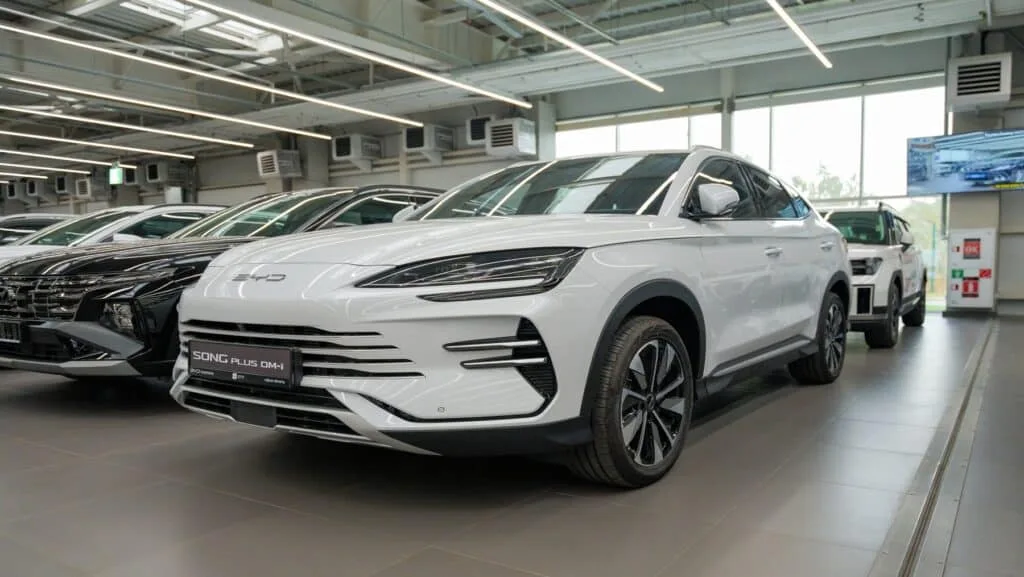
China’s State Administration for Market Regulation (SAMR) announced last week that it was banning vehicle manufacturers from selling cars below the cost of production. Before this, Chinese automakers were in an aggressive race to the bottom, with examples like an $18,000 electric pickup from Chery and the BYD Seagull, a small electric hatchback that reached $10,000 domestically (and $25,000 in Europe).
It may seem like an “in” for American automakers, who were struggling to keep up with these dirt-cheap prices, but even the most promising EV prices we’ve heard — like Ford’s $30,000 truck — is still going to cost more than Chinese EVs even after the SAMR’s ban.
How are Chinese EV prices so low?
China’s automakers were doing something that American automakers would never dream of doing — selling below production costs. And maybe they shouldn’t be, because it cost the automotive industry $68 billion.
To reach these crazy low prices, Chinese automakers had to get government subsidies, leveraged extended payment cycles to suppliers, and rapidly built their own supply chains and models to beat out the competition. The result? Smaller Chinese automakers were almost going bankrupt trying to keep up with brands like BYD — they didn’t see any profit from selling vehicles at these prices and couldn’t pay back auto parts suppliers or loans.
In 2025, China attempted to regulate the car market with stricter guidelines, like requiring carmakers to warn customers when their free software trials were expiring, barring unspecified features from being turned into paid subscriptions, and warning against extreme discounts, which would lead to “severe penalties.” Which some automakers ignored.
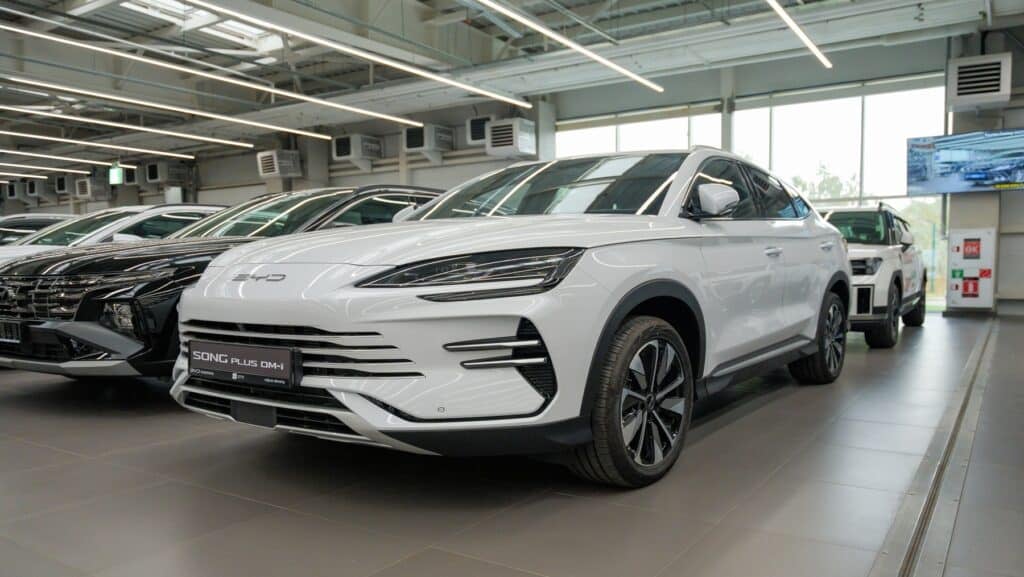
However, the Chinese car market took a massive hit in January 2026 when it saw its EV sales decline by nearly 23%. While it was nowhere near as troubling as, say, Ford’s January sales, it still hit Chinese automakers hard considering they were already selling cars for less than what it cost to make them. Maybe it was a bit of a wake up call, especially with China increasing the new electric vehicle purchase tax to 5%.
It may sound like its non-Chinese automakers’ time to shine, but they are currently struggling to get an EV to cost under $40,000 due to Donald Trump’s tariffs on car and material imports. They’ve resorted to cutting back on fancy details and even bringing back diesel vehicles. China bringing its EV prices back up a few thousand won’t help these already floundering automakers.