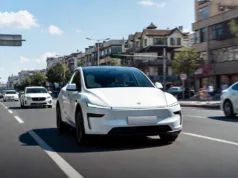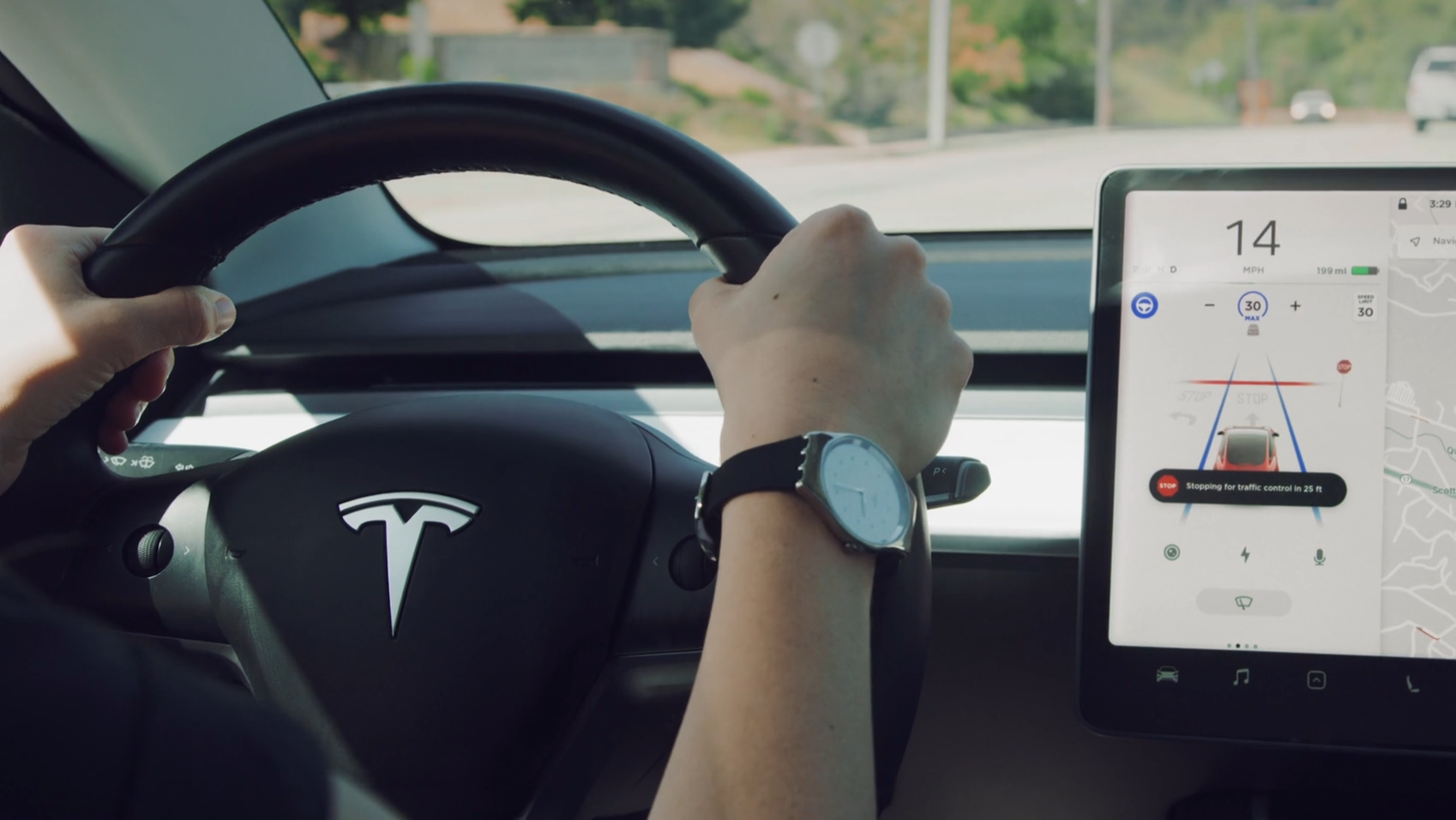

Tencent Cloud announced a partnership with Tesla on 11 February to offer in-car connected car features including the instant transfer of WeChat location data and destination-based smart service suggestions for Model 3 and Y vehicles in China. The upgrade will be delivered via an over-the-air update to existing vehicles and available by default on future models, marking Tesla’s latest step in adapting its software stack for the Chinese market.
The collaboration extends Tencent’s ‘Intelligent Automobile Cloud’ strategy—first articulated in 2022—which already supplies technology to nearly 40 automotive brands operating in China, including fellow Western marques like BMW. Tencent’s vehicle software push centres on ‘WeScenario’, a lightweight app ecosystem built on WeChat Mini Programmes that enables in-car services without the need for separate downloads. The partnership supports Tencent’s broader effort to position WeChat as a hub for connected transportation features and services, with the platform already hosting ride-hailing entry points for robotaxi firms Pony.ai and WeRide.
WeChat’s integration into Tesla vehicles enables proactive service suggestions based on location and destination, including payment via WeChat Pay directly from the dashboard. The platform’s Mini Programme ecosystem allows the car to suggest nearby charging stations, parking availability and pricing, or ordering services without downloading separate applications. Tencent Cloud also works with international partners including Singapore’s Ryde to extend the WeChat booking ecosystem beyond China.
Tesla’s integration with Tencent is the latest step in the automaker’s ‘best of breed’ approach to China localisation, contrasting sharply with the Apple-style walled garden strategy it deploys in other markets. Tesla China now partners with multiple domestic technology giants: Baidu provides high-definition lane-level navigation, NetEase and QQ Music supply entertainment (including karaoke modes), while ByteDance and DeepSeek power the ‘Hey Tesla’ voice assistant with conversational AI capabilities.
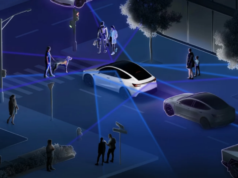
Earlier in February, Tesla confirmed that its dedicated AI training centre in China had become operational, allowing neural network training on domestic driving data for its local autonomous driving offerings. This allows the automaker to sidestep the cumbersome—often outright impossible—cross-border data transfers that Chief Executive Elon Musk had bemoaned during previous attempts to satisfy local regulators. Tesla also uses Tencent’s cloud infrastructure to manage data storage and processing entirely within Chinese territory.