
Brazil has ended a temporary tariff exemption that allowed Chinese-made semi-knocked-down (SKD) and completely knocked-down (CKD) assembly kits for electric and hybrid vehicles to enter the country at sharply reduced costs, closing a measure that fuelled months of confrontation between the government, BYD and Brazil’s established automotive industry. The six-month exemption, worth up to US$463m in duty-free imports, was not renewed following sustained lobbying from various global automakers represented by lobbying group Anfavea.
SKD and CKD assembly kits had benefitted from reduced import taxes of 18% and 16% respectively under the temporary scheme, but both rates will gradually be restored to 35%, matching the tariffs for fully assembled vehicles. The government initially granted the exemption in August 2025 as BYD prepared to launch large-scale vehicle production in Brazil, presenting it as a temporary bridge whilst factories and supply chains took shape.
Anfavea, representing brands including Volkswagen, Stellantis, General Motors and Toyota, argued that the measure rewarded simple assembly rather than full manufacturing and risked weakening Brazil’s domestic supply chain. The association circulated studies projecting that a shift to large-scale kit assembly could eliminate as many as 69,000 direct jobs in Brazil, and trigger losses of up to BRL 103bn (US$19.6bn) across the automotive supply chain. Executives from Volkswagen, Stellantis, GM and Toyota sent a joint letter to Brazilian President Luiz Inacio Lula da Silva in July urging him to block the tariff relief.
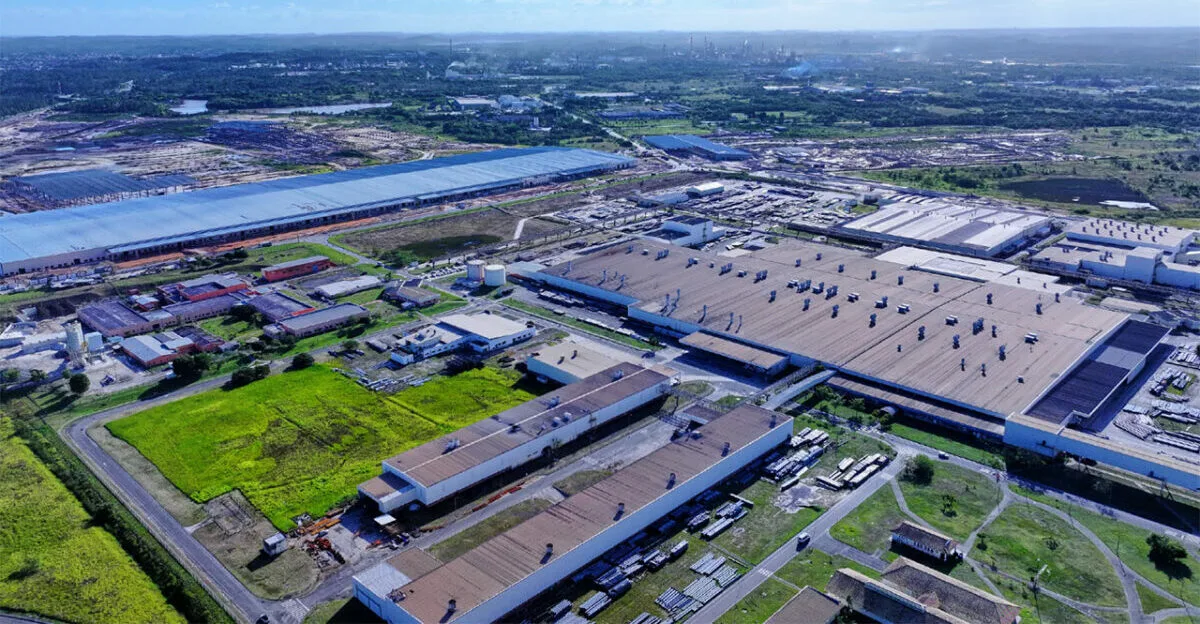
BYD is likely to be most impacted by the change. The automaker inaugurated its largest electric vehicle factory outside Asia in October 2025 at a converted former Ford site in Bahia state. The plant has the capacity to produce up to 150,000 hybrid and electric vehicles (EVs) annually, and plans to double output in a second phase are currently being reviewed. The BRL 5.5bn complex has produced roughly 25,000 EVs and hybrids since launch and currently employs about 5,000 workers.
Pre-empting the regulatory changes, BYD is now targeting 50% local parts sourcing or production at the Bahia plant by the end of 2026. To this end, the company is investing approximately US$1.1bn to improve its regional vertical integration. The automaker also acquired mining rights for two plots in Brazil’s “lithium valley” in February 2025, located roughly 500 miles from the factory, and is courting local refiner Sigma Lithium about a potential acquisition.
Since entering Brazil’s passenger car market in 2022, BYD has sold more than 170,000 new energy vehicles and now controls over 74% of the country’s EV segment. Senior Vice President Alexandre Baldy told Reuters that BYD aims to become Brazil’s largest carmaker by sales volumes by 2030.
However, BYD is not the only Chinese OEM to have established a manufacturing presence in Brazil. Great Wall opened its first Brazilian plant in August 2025, and is reportedly already eyeing the construction of a second site. Geely also produces EVs and hybrids in Brazil, albeit through a manufacturing agreement with Renault.