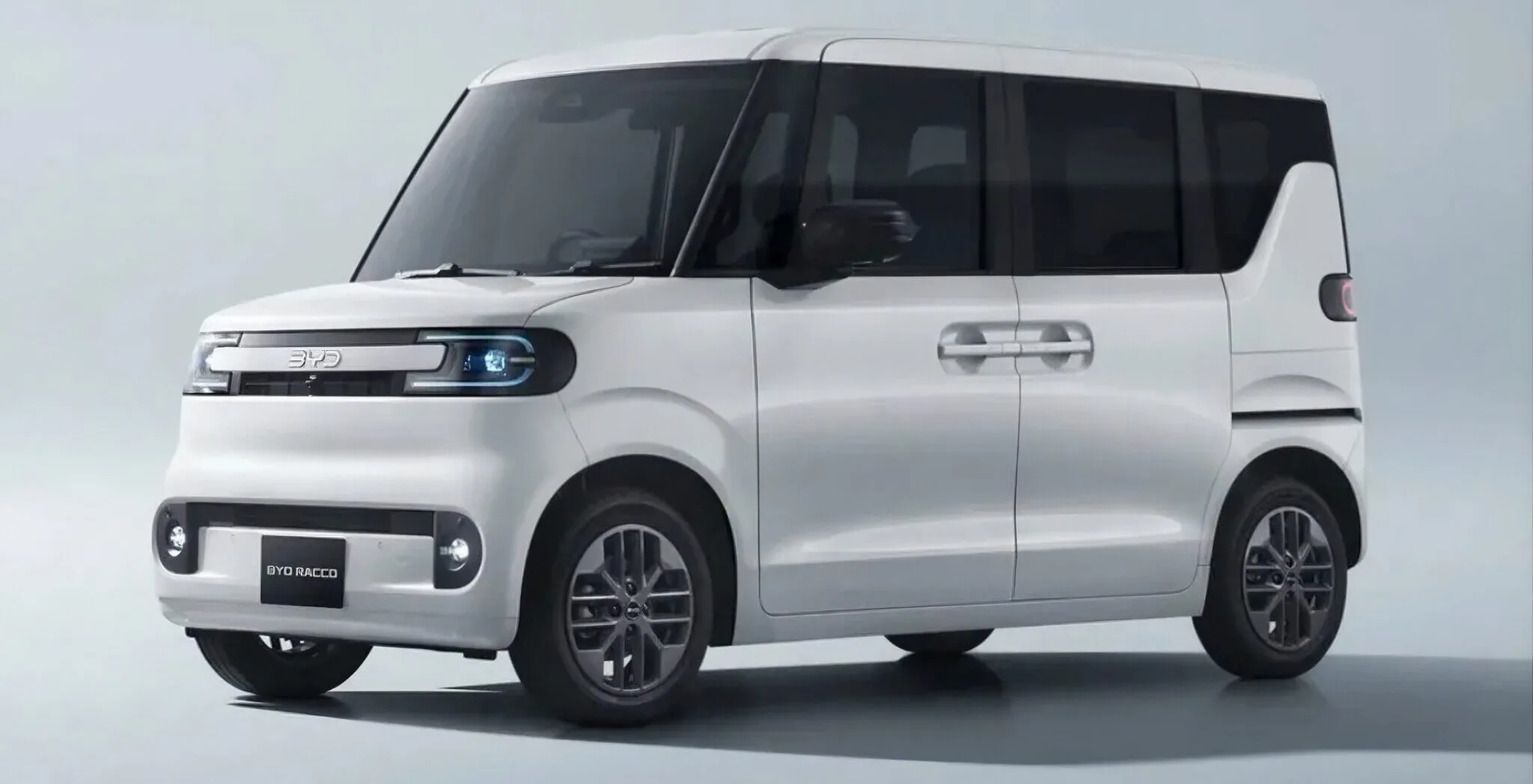
BYD plans to expand its sales network coverage in Japan by opening mini dealerships showcasing only one or two models ahead of the summer launch of its Racco kei electric vehicle (EV). A 9 February report by Nikkei indicates that the outlets will be located in remote cities with populations under 500,000 and will open quickly, displaying one or two models at most.
Atsuki Tofukuji, President of BYD Auto Japan, told Nikkei that the company intends to cover small regional commercial areas—moreso neighborhood malls than retail parks on the city outskirts. Automotive dealerships are typically large-scale to fully showcase a brand’s unique identity, but BYD believes that, by adopting the opposite strategy, it can establish itself as a ‘local’ brand. The dealerships will focus on promoting the Racco kei EV.
After months of teasing its kei segment debut, BYD unveiled the Racco at the Japan Mobility Show in October 2025, announcing plans to launch the model in Japan the following summer. Kei cars are compact vehicles unique to the Japanese market designed to navigate narrow roads and conserve resources, typically under 3.4 metres long and less than 1.48 metres wide while being capped at 64 horsepower.
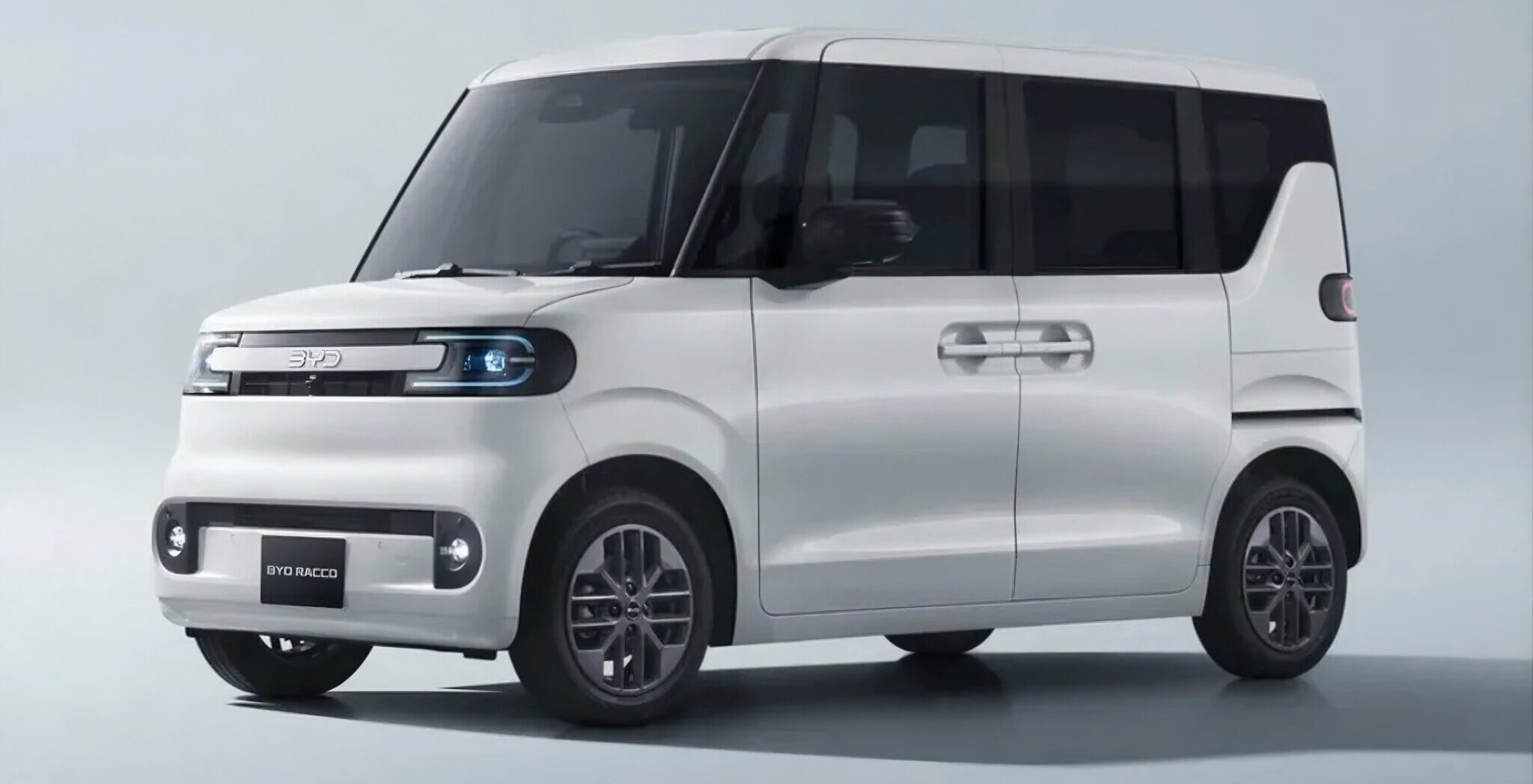
They benefit from policy incentives including lower purchase taxes, and account for approximately 40% of Japan’s new vehicle sales. Demand for kei cars is particularly strong in rural areas, the same areas BYD plans to concentrate its mini dealerships.
Going into 2026, BYD operated 69 outlets in Japan (including planned locations) across 38 prefectures, failing short of its original target of 100 sales outlets. The automaker attributed this to challenges including finding suitable properties. It first announced its entry into Japan’s passenger vehicle market in July 2022 and began sales of its first model, the Atto 3 compact SUV, in January 2023.
BYD’s strategy represents a shift from its initial broad electric vehicle push to a highly localised approach focused on miniaturisation and accessible physical presence. The Racco aims to dethrone the incumbent electric kei segment leader, aiming to slightly undercut it on price (around US$16,500). The automaker is also introducing plug-in hybrids including the Sealion 6 scheduled for launch for early 2026, meeting the market’s current preference for hybrid technology.