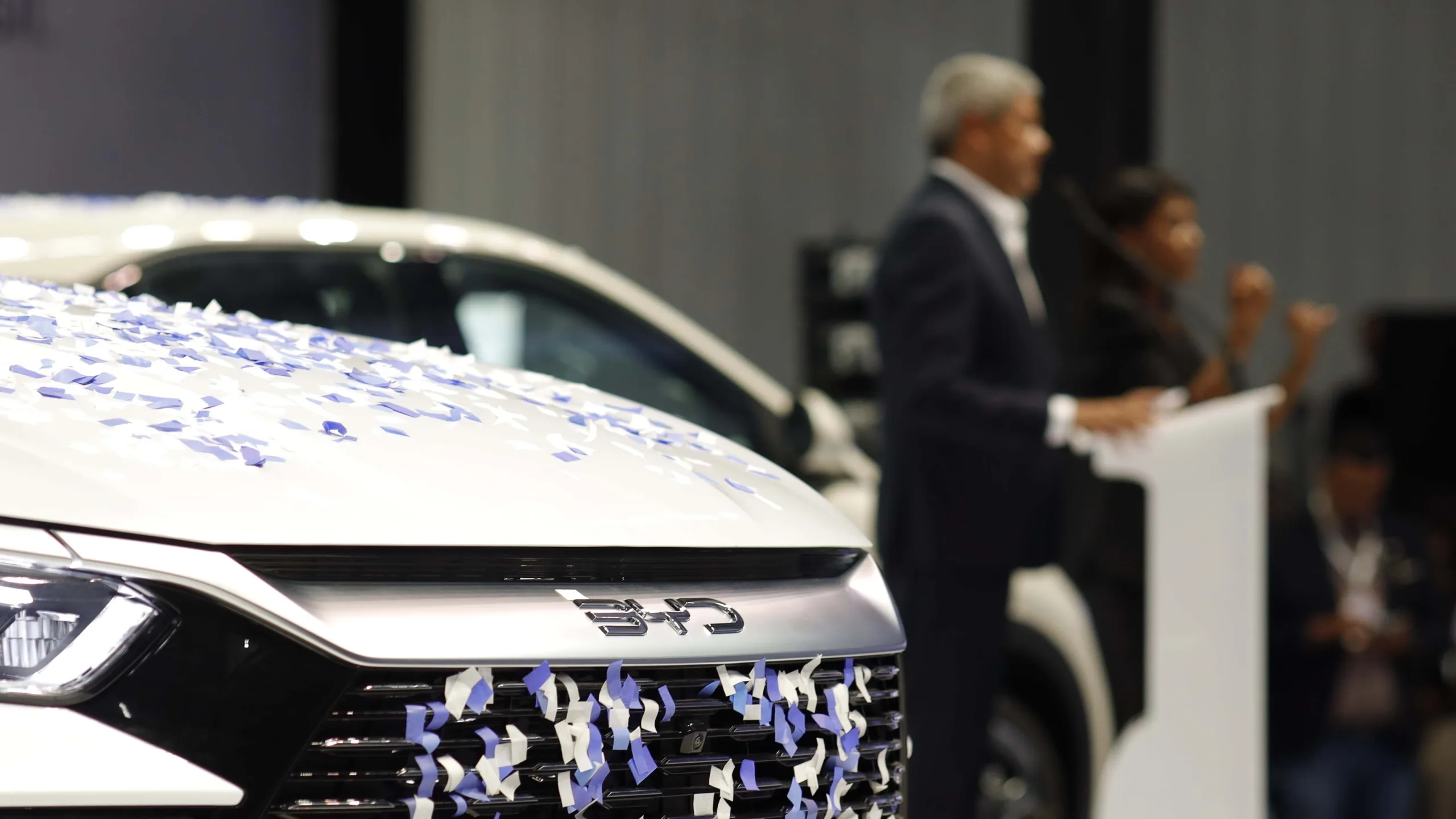
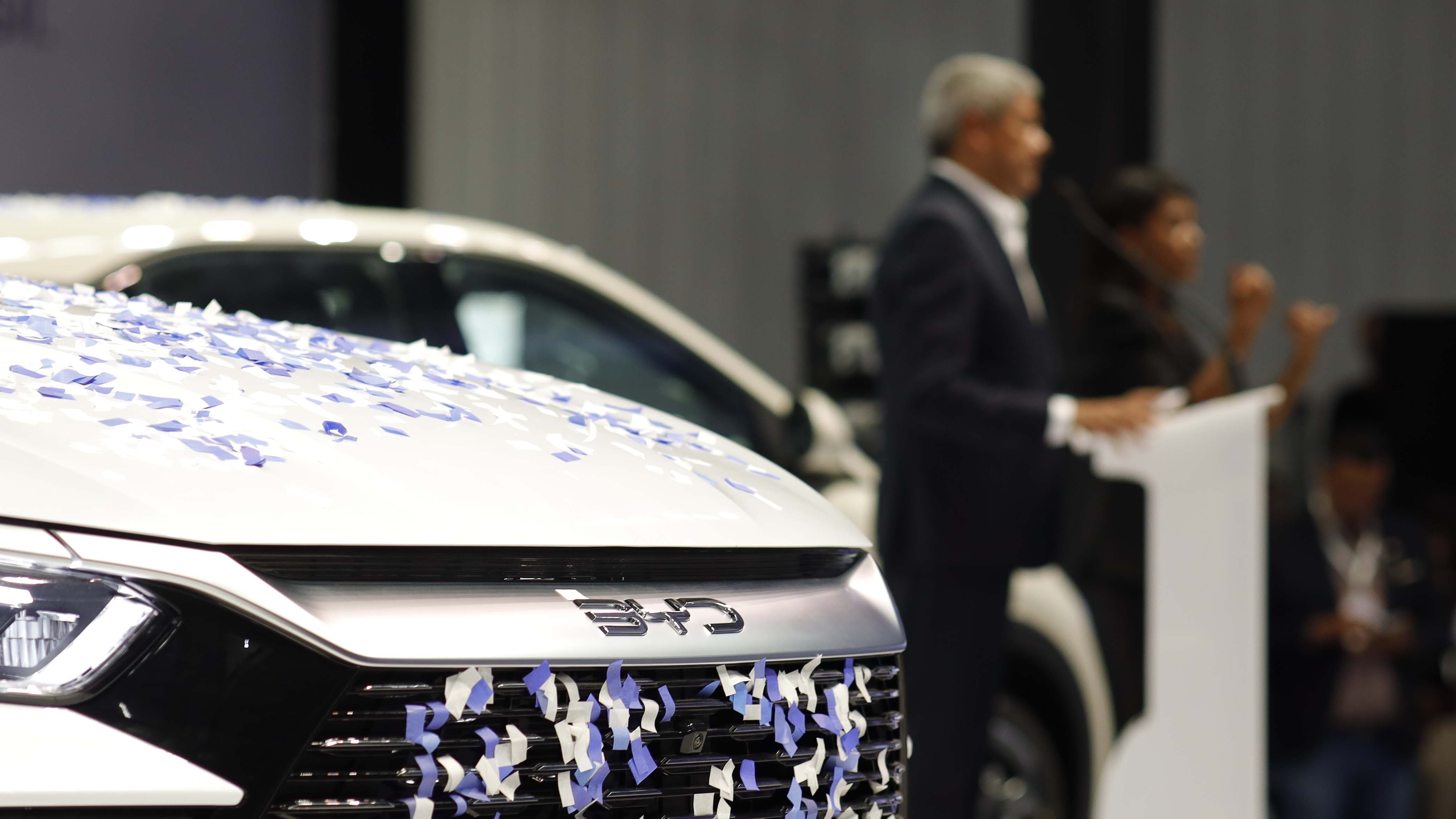
BYD began on Thursday trial production at its first European plant in Hungary, following delays in completing construction of the passenger vehicle factory.
Manufacturing fully electric vehicles in Europe will allow the automaker to avoid the European Commission tariffs imposed in October 2024 on imported EVs.
Production is expected to begin in the second quarter.
The development was announced on Thursday by László Botka — mayor of Szeged — where the factory is located.
Botka said the company has hired 960 employees at its Szeged factory, with 70% of them being Hungarian and most of them from Szeged.
In addition, BYD has signed a cooperation agreement with the Faculty of Engineering at the University of Szeged.
The factory’s production will ramp up to its planned capacity of 200,000 vehicles over several years, with employment expanding in parallel.
Szeged Factory
Nearly a year ago, the European Union opened an investigation on whether China had provided unlawful support for the construction of the BYD plant in Szeged.
Szeged Mayor László Botka dismissed the investigation, writing that the European Commission was just following EU law and that the investment complied with those rules.
“Several EU countries wanted to secure the world’s largest environmentally friendly electric car factory. The Szeged-Hungary-BYD agreement complies with all EU regulations,” Bokta stated.
The Mayor added that the deal was negotiated for over than a year, “and this was one of the most important considerations. The factory is being built and will create many thousands of well-paid jobs. Szeged’s economy will also get a new boost.”
The Szeged municipality provided a 300-hectare site for the plant, of which 100 hectares were already designated as industrial land, while the remaining 200 hectares were agricultural land shared by multiple owners.
Most landowners accepted the price set by the government office during the expropriation process, but some challenged it in court.
The lawsuits have now been resolved, with the court ruling that the purchase prices had been set incorrectly and were higher than allowed.
As a result, the affected landowners are required to repay the difference. Botka said he will propose that the city council waive this claim under Szeged’s 2026 budget.
It remains unclear whether these lawsuits contributed to the delay of the operations.
Production Delay
The company had originally aimed to beat the three-year timeline set when the plant was announced in late 2023 by starting operations in 2025, but the schedule was later pushed back to the first half of this year.
After a Reuters report in June suggested that the launch would be delayed, BYD denied the claims, stating that production was still on track to begin before the end of 2025.
The report said the delay was due to strategic decisions and internal company planning, adding that BYD was prioritizing its Turkey plant.
However, officials in Hungary have publicly rejected these claims.
BYD’s Executive VP Stella Li later confirmed that production is now scheduled to start in the second quarter of 2026, with construction expected to be completed by the end of the year.
On Thursday, Szeged’s Mayor said it is still unknown “exactly” when the factory’s official launch will be held.
Gergely Gulyás, the minister heading the Prime Minister’s Office, said production will begin in the spring.
Hungarian Presence
Last year, BYD also established its European headquarters in Hungary, saying that the office was expected to create around 2,000 jobs.
The Budapest hub also includes a research and development (R&D) center focused on intelligent driving technologies and next-generation EV systems.
The company’s presence in Hungary goes back to 2016, when it opened an electric bus factory in the city of Komárom.
According to the Budapest Business Journal, BYD sold 2,412 new energy vehicles (NEVs) in Hungary last year, rising from fourth to first place in the segment.
Strong sales in December helped the company reach sixth place in Hungary’s overall passenger car market, with a 4.35% market share.
In addition to its local manufacturing facilities, BYD operates 12 stores and 7 service centers across the country, with two more sales points in rural areas currently under development.