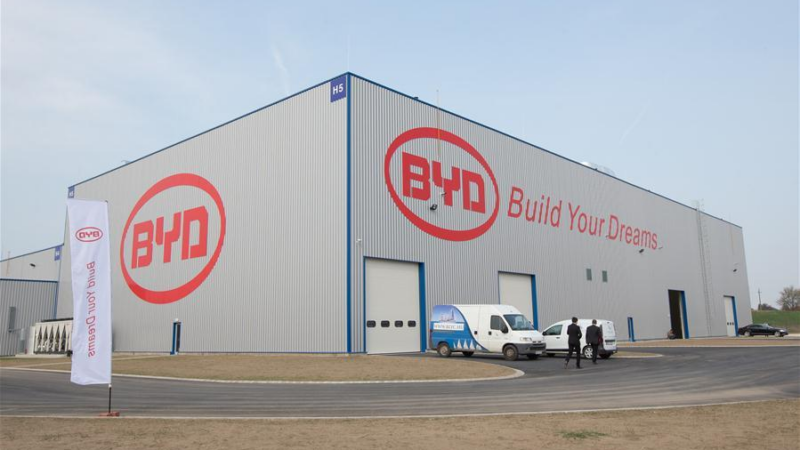
Chinese battery and electric vehicle giant BYD has officially signed an agreement with Vietnam’s Kim Long Motors to construct a new electric vehicle battery factory in central Vietnam. The project, valued at 130 million USD, marks a significant step in BYD’s global expansion strategy, particularly in Southeast Asia.
As reported by the Chinese media Economic Observer, the announcement, disclosed by the Vietnamese government on January 27, confirms that the facility will initially focus on supplying batteries for commercial vehicles. Kim Long Motors, a local Vietnamese private automotive manufacturer, specializes in the research, assembly, production, and sale of commercial trucks, buses, and specialized vehicles.
According to the agreement, the battery factory project will proceed in two phases. Phase one will involve the construction of a 4.4-hectare plant with a planned annual production capacity of 3 gigawatt-hours (GWh), primarily targeting commercial vehicles such as buses and trucks. Phase two will see a further expansion of 6 hectares, bringing the total factory area to 10 hectares. This expansion will introduce production lines for passenger vehicle batteries, increasing the total annual capacity to 6 GWh.
A BYD insider confirmed the news to Economic Observer reporters, though specific details regarding the equity split between the two parties and other cooperation specifics remain undisclosed at this time. Earlier media reports suggested that Kim Long Motors would bear the construction costs, with BYD providing comprehensive technical support, but this information has not been officially verified by BYD.
BYD’s decision to establish a battery factory in Vietnam is closely linked to the country’s burgeoning new energy vehicle market. Vietnam has witnessed explosive growth in EV sales, surging from 4,040 units in 2022 to 79,800 units in 2024. In the first 11 months of 2025, sales of electric and hybrid vehicles in Vietnam reached approximately 160,000 units, accounting for about 38.5% of the total market share.
The Vietnamese government has actively supported the development of new energy vehicles, aligning with its goal of achieving net-zero carbon emissions by 2050. Policies include extending the exemption for first-time EV registration fees until 2027, along with consumption tax reductions and subsidies for charging infrastructure development, creating a favorable environment for sustained market growth.
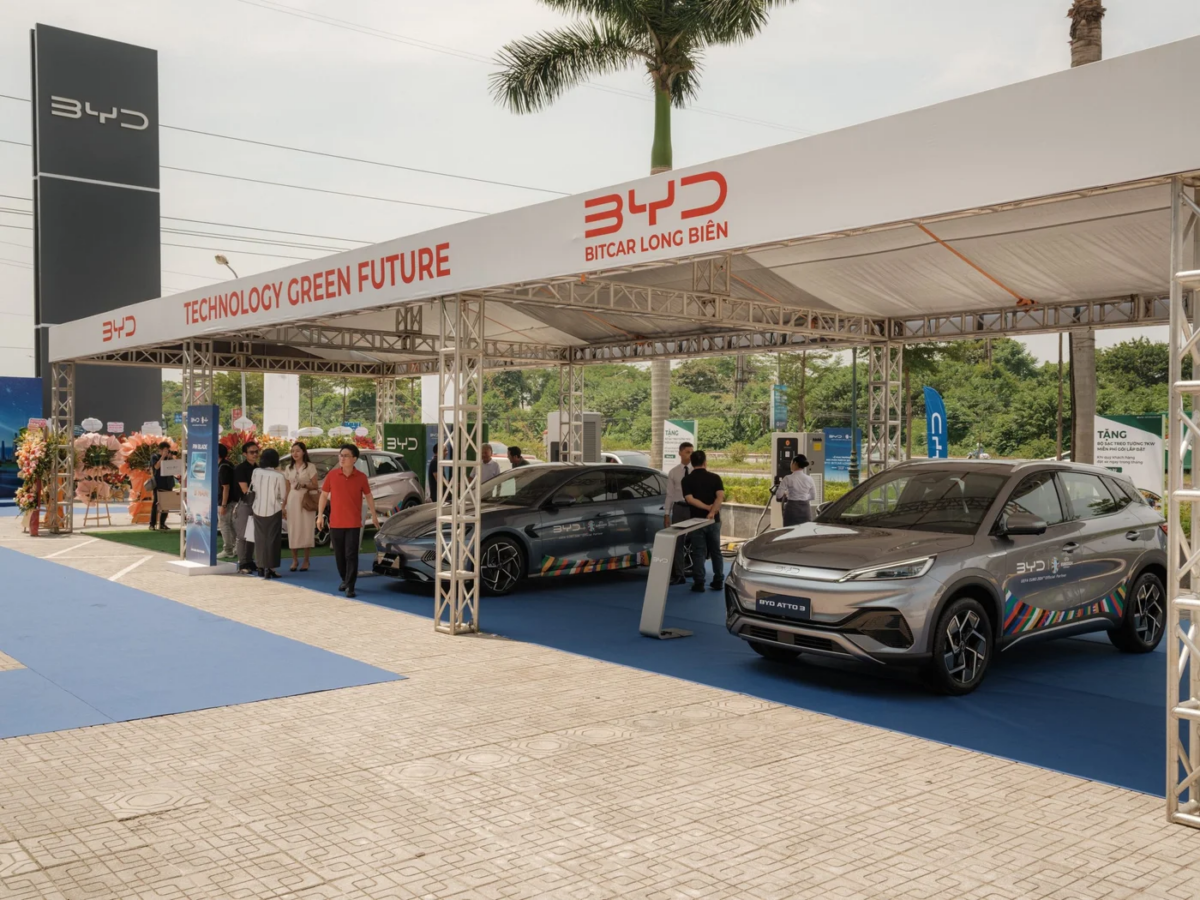
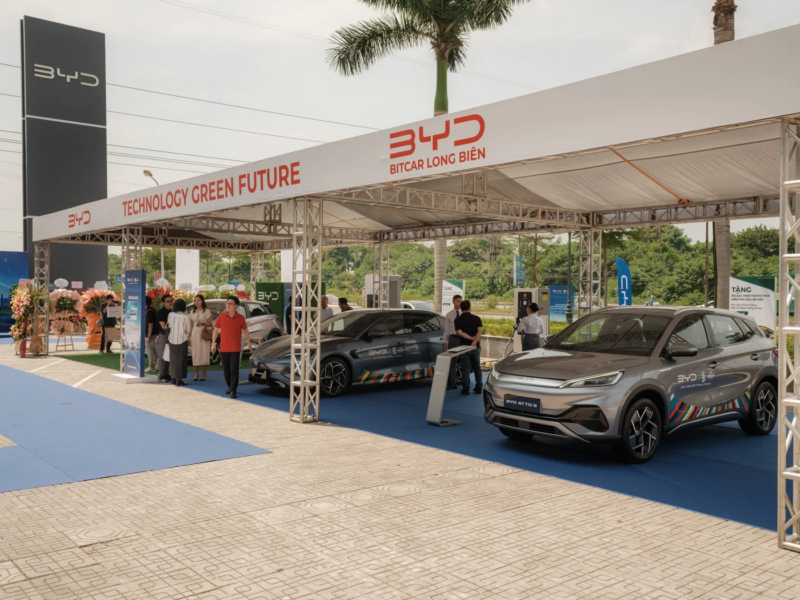
For BYD, the Vietnamese battery factory is a deepening of its Southeast Asia strategy. In 2024, BYD opened its first stores in Vietnam and plans to expand its retail network to approximately 100 outlets by 2026. Furthermore, its subsidiary has already established an electronics factory in Phu Tho province and plans to invest over 250 million USD in an auto parts factory. This joint venture for battery production signifies the preliminary formation of BYD’s localized full-chain layout in Vietnam, encompassing sales, parts manufacturing, and core battery supply.
BYD is not the first Chinese battery enterprise to enter Vietnam. While local brand VinFast dominates the Vietnamese automotive market, particularly in the pure electric vehicle segment with a 99% market share, the country’s EV supply chain, especially in power batteries, remains underdeveloped and heavily reliant on joint ventures or factories established by Chinese companies. For instance, Gotion High-tech has partnered with VinES, a subsidiary of VinGroup, to build Vietnam’s first lithium iron phosphate battery factory, and battery module manufacturers like Sunwoda have also set up production facilities in the country.
The establishment of the Vietnamese battery factory will not only help BYD capitalize on local market growth but also leverage Vietnam’s tariff advantages to accelerate its globalization process. Thanks to free trade agreements signed between Vietnam and economic blocs such as ASEAN and the European Union, vehicles and components manufactured in Vietnam can benefit from low or even zero tariffs.
Under the ASEAN Trade in Goods Agreement (ATIGA), automobiles and most components produced in Vietnam that meet ASEAN rules of origin can enjoy 0% tariffs when exported to other ASEAN member states like Thailand, Indonesia, and Malaysia. This means BYD’s Vietnamese-produced batteries can be exported duty-free to its existing factory in Thailand or sold directly to countries like Indonesia and the Philippines, significantly optimizing regional supply chain efficiency and reducing costs.
Similarly, the Vietnam-EU Free Trade Agreement (EVFTA) allows for 0% tariffs on vehicles and components produced in Vietnam that meet rules of origin when exported to the EU, offering a substantial cost advantage compared to high tariffs on direct exports from China.
Given these favorable conditions, several other automakers view Vietnam as a strategic hub for globalization. Chery and Geely have established EV manufacturing joint ventures with local Vietnamese companies, while SAIC-GM-Wuling and Great Wall Motors have also initiated assembly operations in partnership with Vietnamese enterprises.
In 2025, BYD’s cumulative sales exceeded 4.6 million units, a 7.7% year-over-year increase. Overseas sales surged by 145%, surpassing the 1 million unit mark for the first time. With a target of 1.3 million overseas sales by 2026, BYD is expected to rapidly advance its global market presence. To date, BYD has established complete vehicle production bases in countries including Hungary, Brazil, and Thailand, continuously expanding its global manufacturing network.

Follow us for ev updates