China’s auto industry
China leads global vehicle, EV and battery production, but overcapacity and weak domestic demand are driving exports, overseas factories and a looming industry shake-out
In 2024 China’s automotive industry produced close to 30% of
the nearly 80m vehicles made worldwide; it is the largest manufacturer of
vehicles, producing more than twice as many units as the USA. It is also the
largest exporter of vehicles, but Chinese companies are now expanding
manufacturing in Europe, across South-East Asia and South America and not
simply exporting there. It is no longer just a national industry. China’s
automotive sector plays a global role, and its market power will increase in the
years ahead.
China has seen the emergence of numerous companies with low levels of plant utilisation and challenging financial structures
Production overcapacity looms
The domestic Chinese passenger car market itself however has
not kept pace with the growth in vehicle production capacity, especially as the
switch to EVs accelerates in China faster than in most other markets. As a
result, China has seen the emergence of numerous companies with low levels of
plant utilisation and challenging financial structures. The Chinese government
is concerned that many of the smaller companies with low production volumes
will fold, followed by inevitable industry consolidation and shake-out. So, the
Chinese automotive manufacturing sector is on the brink of change; reflecting
this, domestic and international players in China are increasingly looking at
export markets beyond China for growth. And, in the face of rising tariffs on
electric vehicles models imported into the EU, Chinese companies are now
expanding their production footprints outside China more rapidly than they are
doing inside China.
China also leads the automotive battery industry, with
dominating positions in the supply chain, including critical minerals mining
and processing. After the recent trade dispute between the US and China, with
tariffs and reciprocal tariffs to the fore, “peace” or at least an industrial
truce appears to have come into force. In a period during which the US and
China have fought for industrial supremacy – mainly through tariffs and
reciprocal tariffs – China turned to export controls on rare earths and critical
minerals to bring the US to the negotiating table. In late October it looked as
if “peace” had been secured in this area; and while rare earth and critical
mineral exports from China, to the world and not just the US, now appear to be secure
from export controls, China’s position as the number one supplier of battery
materials and critical minerals remains supreme (four of the largest battery
companies are Chinese, with only LG of Korea breaking into this elite group),
while China controls more than 75% of almost all key raw materials and refined
minerals for both batteries and electric motors. Even though “peace” may be the
order of the day in these supply chains, China’s leading position will not
change anytime soon.
Advertisement
McKinsey has described the country’s electric vehicle boom, especially for domestic brands, as arguably “the most powerful symbol of China’s dual industrial and consumer transformation.”
The Chinese car market
China is the leading EV market, most of which is supplied
from local production. Chinese demand for domestic brands’ electric vehicles is
one of the most notable developments in recent times. McKinsey has described
the country’s electric vehicle boom, especially for domestic brands, as
arguably “the most powerful symbol of China’s dual industrial and consumer
transformation.” McKinsey notes how EVs had a 46% share of the Chinese
passenger vehicle market in 2024, up from just 4% five years earlier. In Q3/2024,
EVs saw their share tip over 50% and once full year figures for 2025 have been
compiled it is likely that EVs’ share will approach 60% and exceed this ratio
soon after.
Domestic Chinese car companies hold 58% of the local
passenger vehicle market, against 33% in 2019. However, domestic brands have a
share approaching 90% of the EV market, versus less than one-third of the
non-EV market. International brands, such as Volkswagen and Toyota, have major
Chinese manufacturing operations, however, these have fallen behind in this
transformation.
The success of some new entrants such as Xiaomi, as well as
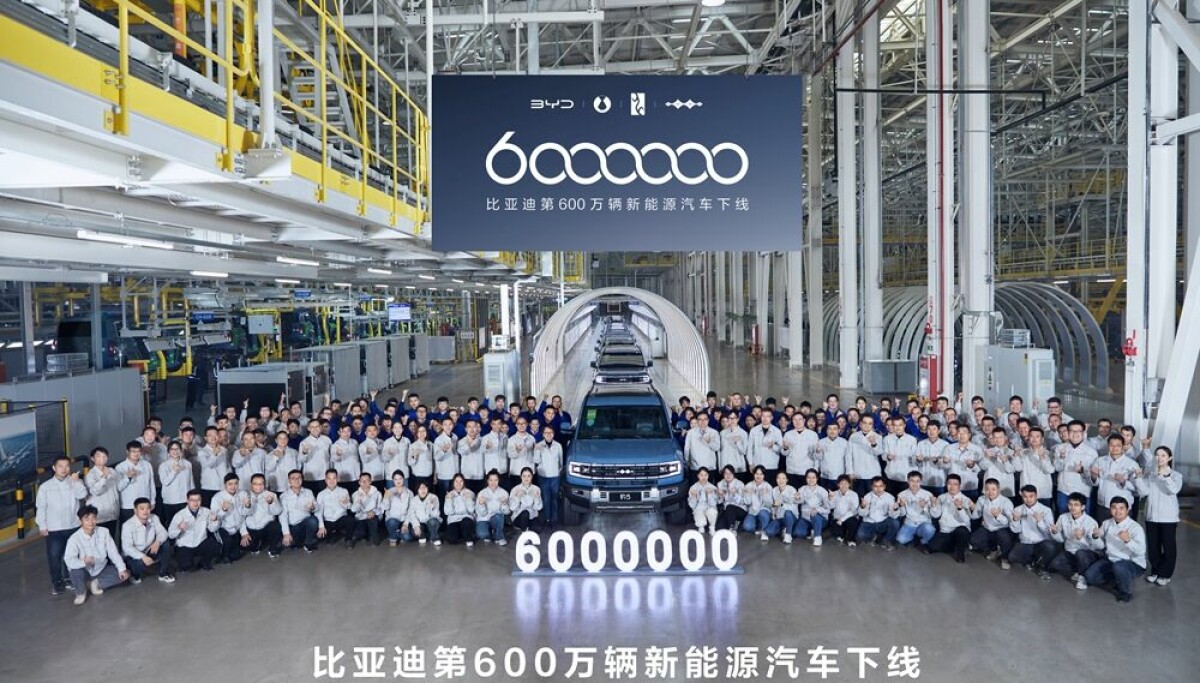
more established players like BYD, Chery and Geely with its multiplicity of
brands, suggests that international brands will lose even more share in China
as the EV trend continues. This in part explains the decisions by international
brands to use their Chinese operations as export bases; if they cannot sell as
many (ICE or electric) vehicles as they would like to sell inside China, they
have little economic alternative but to try to use these heavily invested-in
assets as supply points for the rest of the world.
Historically, Chinese consumers were keen to buy European or US or Japanese imports. Younger generations of car buyers are more nationalistic when it comes to vehicle purchases
Market shift as domestic brands favoured over imported vehicles
In parallel, there has been a decline in imports into China.
Historically, Chinese consumers were keen to buy European or US or Japanese
imports. Younger generations of car buyers are more nationalistic when it comes
to vehicle purchases, not least because of the integration of smart phones and
related technology into Chinese brands’ cars. Data for the first half of the
year suggests imports are down by more than one third, with US vehicles
especially badly hit, partly due to reciprocal tariffs imposed the Chinese
authorities after President Trump started levying tariffs of 100% or more on
all Chinese vehicles. Although these tariffs have been cut back, and a trade
truce, possibly even an agreement, between the two countries is getting close,
there is not much expectation that imports into China will bounce back anytime
soon. Vehicle companies affected include BMW which has traditionally exports
many large SUVs from Spartanburg to China, and both GM and Ford have had a
modest market for their large SUVs and pick-ups in China.
AMS/ABB Automotive Manufacturing Outlook Survey 2025: Cost pressures bite, but EV and Hybrid optimism persists
Stagnant vehicle sales, job losses, and delayed investment are intensifying cost pressure across automotive manufacturing, the AMS/ABB Outlook Survey 2025 reveals. Yet despite tougher conditions, manufacturers remain cautiously optimistic, particularly around hybrids and electric vehicles.
Advertisement
Advertisement