The latest figures from the factory floor demonstrate just how rapidly BYD is currently growing. The company recently produced its 15 millionth New Energy Vehicle (NEV). BYD defines this as fully electric battery electric vehicles (BEVs) and plug-in hybrid electric vehicles (PHEVs). The speed is particularly impressive, as it took the Chinese company just 13 months to make the leap from 10 to 15 million vehicles. By comparison, it took 13 years for BYD to reach its very first million.
The milestone vehicle was not a small car, but rather a model from the premium Denza brand. The N8L rolled off the assembly line at the Jinan plant. Denza will also play a central role in BYD’s 2026 European strategy.
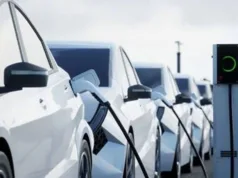
Following a strong 2025 with over 23,000 new registrations in Germany (+708%), BYD is further upgrading its technology. The manufacturer has announced the introduction of Mega Flash Charging for 2026. With a charging capacity of up to 1000 kW, it should be possible to recharge enough energy for 400 kilometers of range in just five minutes. The plan is to install 300 of these superchargers, primarily at German dealerships.
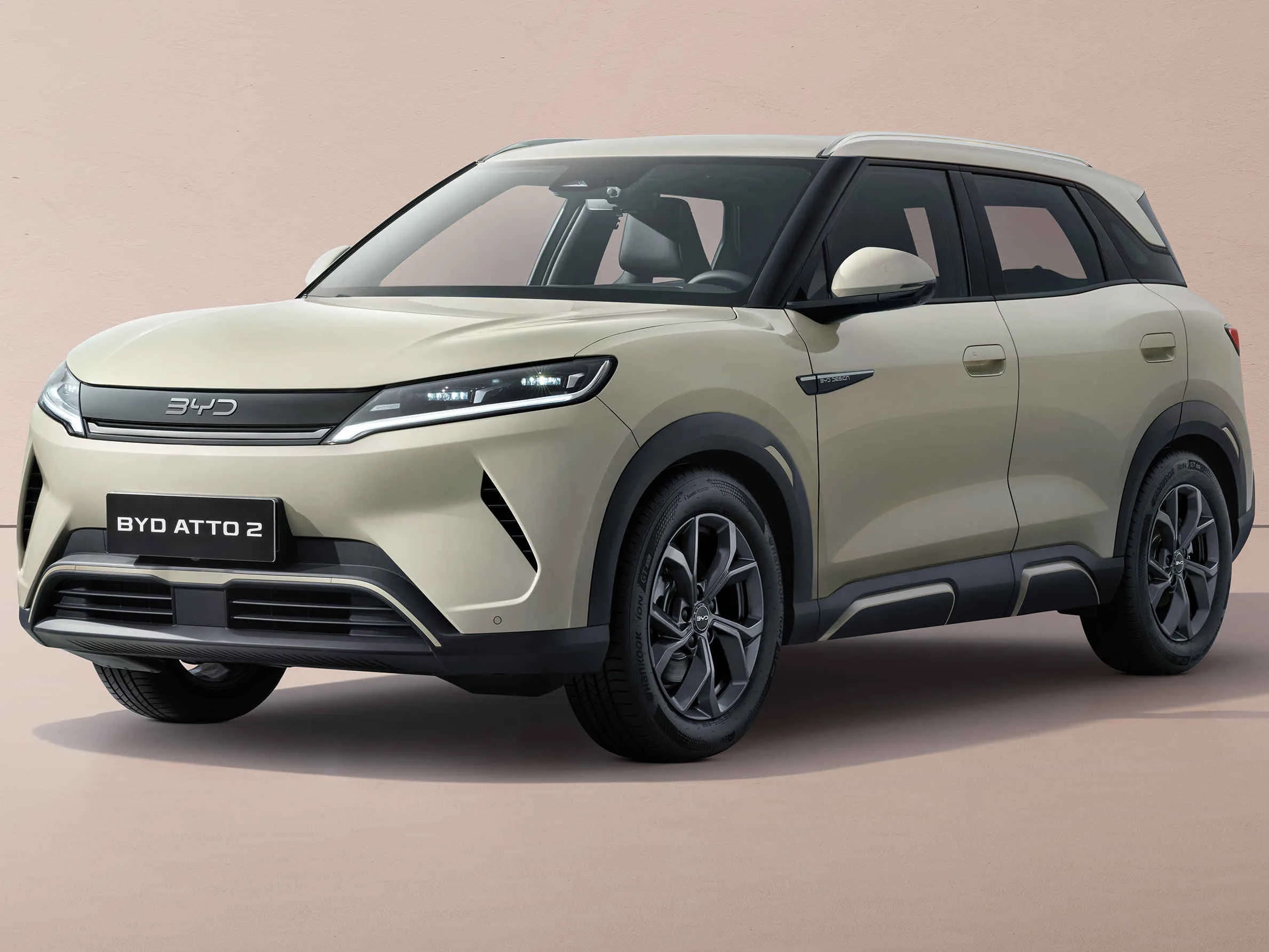
BYD is also expanding its European presence: Production will begin at the new plant in Hungary in the first half of 2026. This means that models like the Seal and the Atto will be imported directly from the EU, shortening delivery routes and avoiding tariffs. The dealer network is also slated to grow from the current 150 to 350 locations by the end of the year. With the market launch of its premium Denza brand in the spring, BYD is also directly targeting the European luxury car segment.
A glance at the price tags explains why local production is so important. According to a recent analysis by the Center Automotive Research (CAR), German customers currently pay more than twice as much for Chinese electric cars on average compared to the domestic market in China. In addition to customs duties, high distribution and logistics costs are primarily responsible for this. With the start of production in Hungary, BYD is likely to gain leeway in the medium term in order to reduce this price gap and further fuel competition.