The European electric vehicle market is entering a phase of clear consolidation, with growth no longer limited to niche segments and early adopters.
Figures released by ACEA for November show that battery-electric vehicles (BEVs) are not only expanding at pace but have now surpassed the 20% share threshold on a monthly basis across the European Union.
At the same time, the competitive landscape is shifting, with BYD accelerating its advance while Tesla continues to lose ground.
In November alone, 188,730 new battery-electric passenger cars were registered in the EU, representing a 44.1% year-on-year increase. This performance lifted the BEV share to 21.3% of all new registrations, making electric cars the strongest growth driver in a market where traditional powertrains are increasingly under pressure.
BYD gains traction across the EU
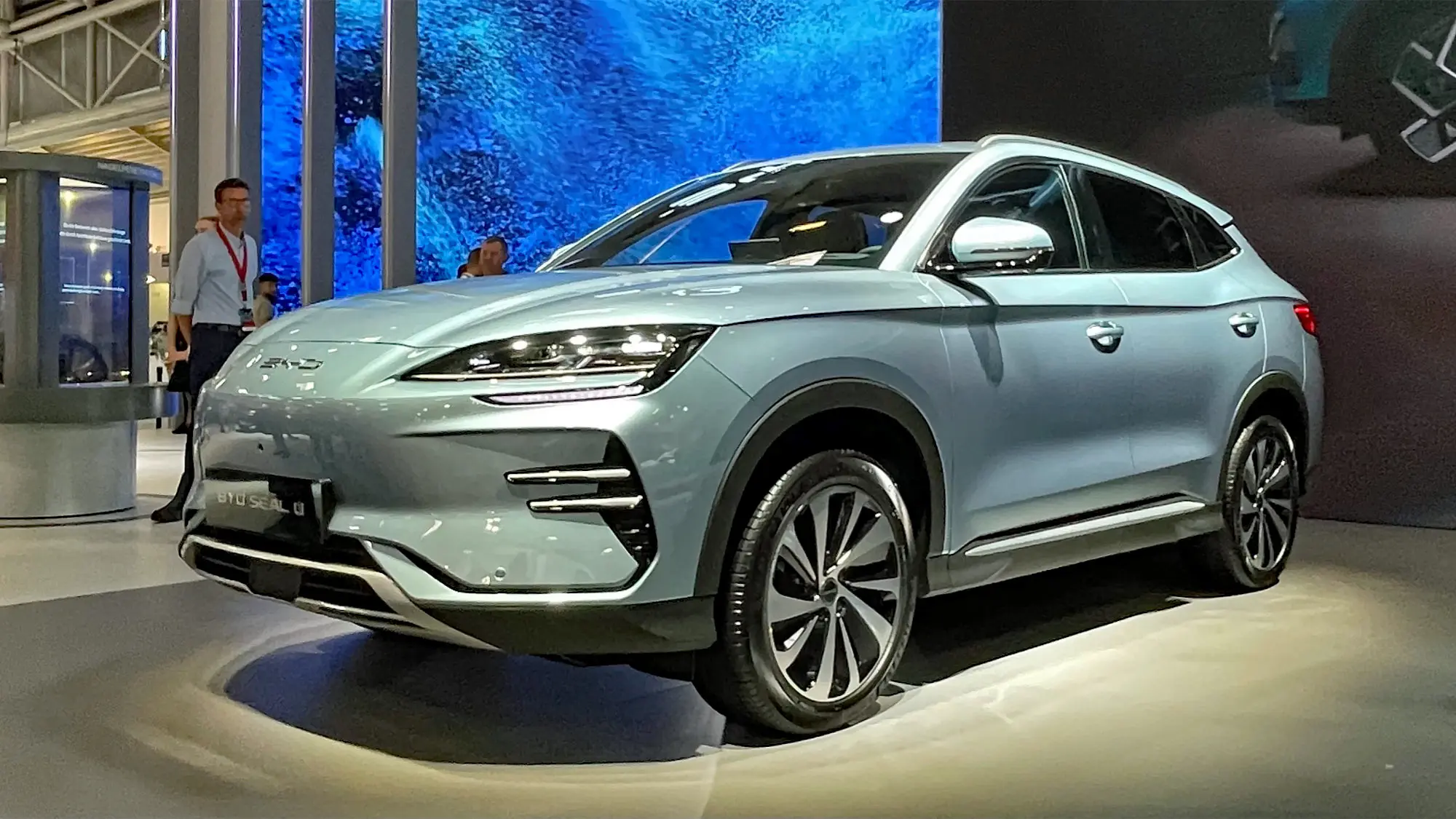
Against this backdrop, BYD stands out as one of the fastest-growing manufacturers in the European market. The Chinese brand registered 16,158 vehicles in November, more than three times its volume from the same month last year (+235% year on year).
As a result, BYD reached a 1.1% market share across the EU, gaining half a percentage point compared with November 2024.
This momentum is not limited to a single month.
From January to November 2025, BYD accumulated 110,715 registrations in the European Union, equivalent to a 240% increase compared with the same period last year. Its market share rose from 0.3% to 1.1%, a notable shift in a highly competitive and fragmented market.
While BYD’s volumes still trail those of Europe’s established manufacturers, its growth rate underlines how quickly it is embedding itself in the region’s electrification trajectory.
Tesla moves in the opposite direction
Tesla’s performance paints a contrasting picture. In November, the US manufacturer registered 12,130 battery-electric vehicles in the EU, a 34.2% decline compared with the same month in 2024.
Its monthly market share stood at 1.4%, still marginally above BYD’s, but well below the 2.2% it achieved a year earlier.
Looking at the year-to-date figures, the trend becomes even clearer. Between January and November, Tesla recorded 129,024 registrations in the EU, a 38.8% decrease year on year.
Its market share fell to 1.3%, down 0.9 percentage points, confirming a sustained loss of relevance in a European EV market that is becoming increasingly crowded and competitive.
BEVs strengthen their position in the overall market
Beyond individual manufacturers, ACEA’s data highlights a broader structural shift. In the first eleven months of 2025, total new car registrations in the EU reached 9.86 million units, a modest 1.4% increase compared with the same period last year. Against this subdued backdrop, electrified powertrains continue to outperform.
Battery-electric vehicles grew by 27.6% year to date, while plug-in hybrids (PHEVs) recorded an even stronger increase of 33.1%, although with lower absolute volumes, remaining below 913,000 registrations.
According to ACEA, the 16.9% BEV market share recorded between January and November is “in line with forecasts for the full year”, though the association notes that further growth will be needed to keep pace with Europe’s long-term transition targets.
Electrification up, combustion in retreat
November’s figures reinforce this trend. Hybrid vehicles (including mild and full hybrids under ACEA’s definition) were the most popular powertrain, with close to 302,000 registrations, but their growth was relatively modest (+4.2%).
By contrast, petrol and diesel cars saw declines of more than 20% year on year, confirming the structural retreat of pure combustion engines across the EU.
The bloc’s largest EV markets, which together account for 62% of all BEV registrations, all recorded growth in November: Germany (+41.3%), Belgium (+10.2%), the Netherlands (+8.8%) and France (+9.1%).
Meanwhile, Spain and Italy stood out for the sharp rise in plug-in hybrid registrations, while also featuring among the countries with the steepest declines in petrol and diesel sales.
Taken together, the November data sends a clear signal: the European EV market is moving beyond early growth and into a consolidation phase.
Electric cars are claiming an ever larger share of registrations, competitive dynamics are shifting, and manufacturers such as BYD are gaining visibility, while others face increasing pressure to adapt to a rapidly evolving, electrified landscape.
Discover Mobility Portal Data
Discover Mobility Portal Data, a new, exclusive market-intelligence platform offering reliable datasets and essential reports to support informed decision-making across the automotive sector—from combustion and electric vehicles to charging infrastructure.
Research, trend analysis and well-organised statistics, presented with clarity and precision, together with up-to-date insights—all just one click away. With Mobility Portal Data, better decisions are within reach.
READ MORE
-
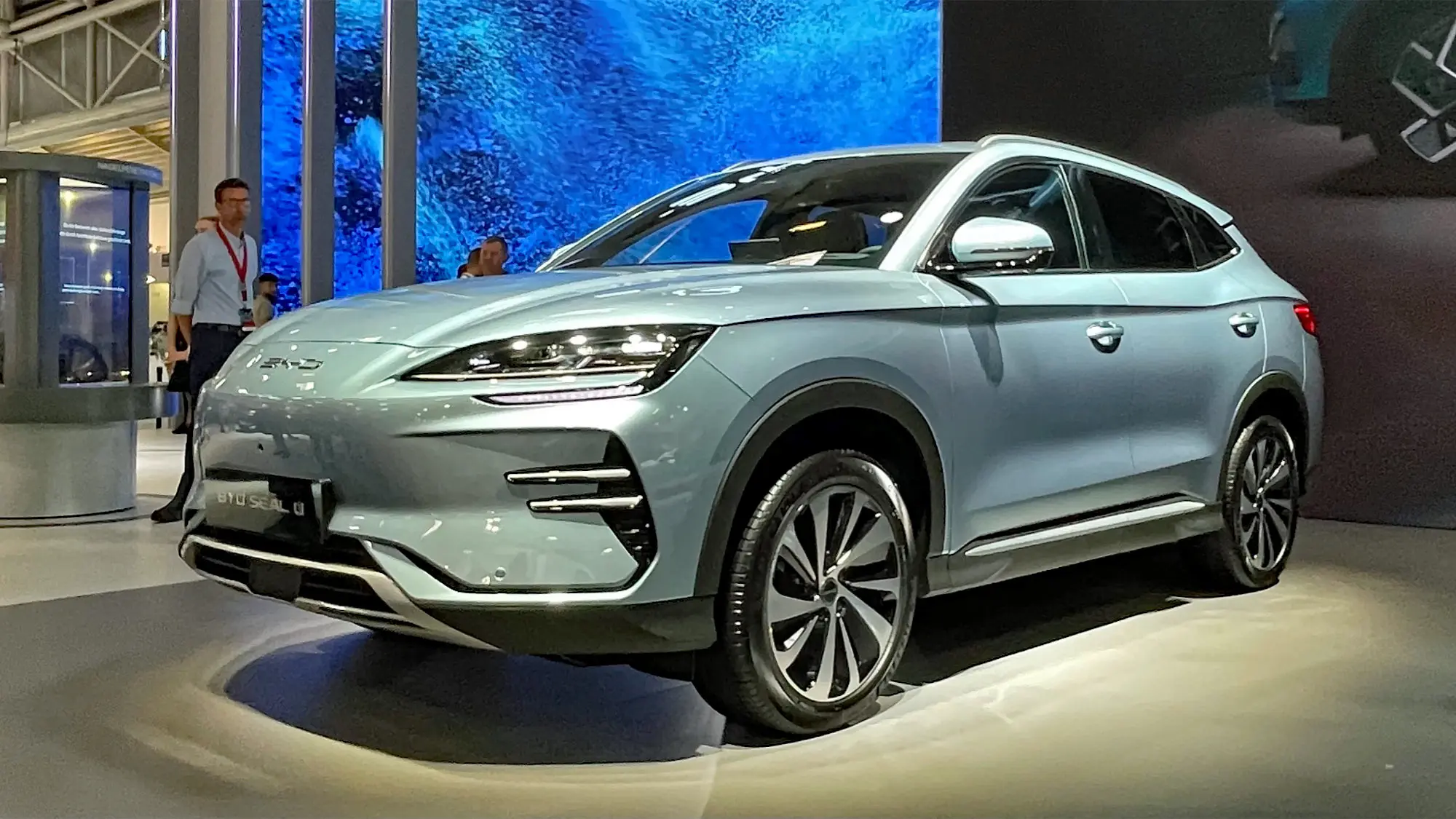
Europe’s electric vehicle market continues to gain ground: battery-electric cars exceed a 20% monthly share in November, BYD triples its registrations, and Tesla extends its loss of momentum, according to the latest data from ACEA.
-
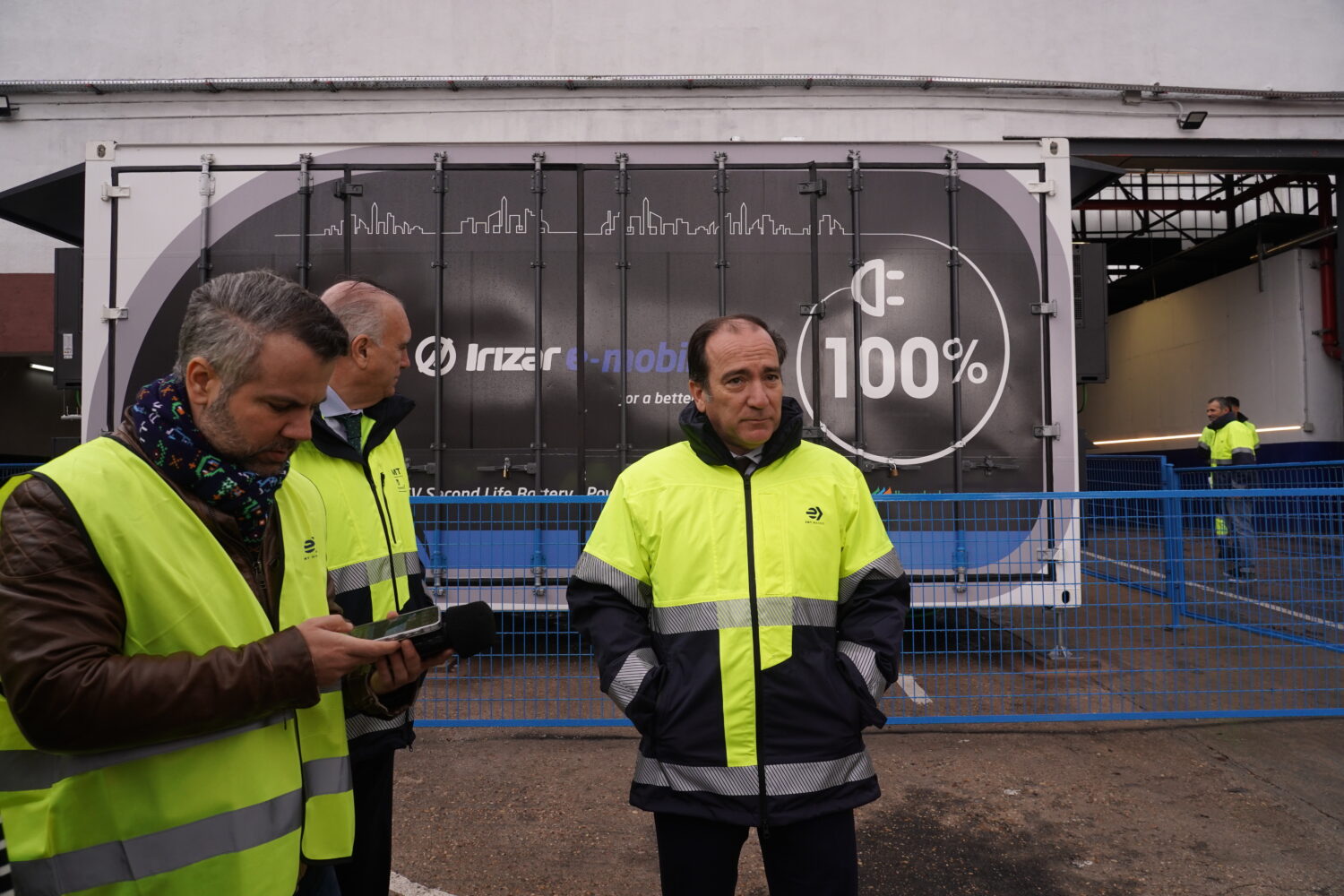
Irizar e-mobility, EMT Madrid e Iberdrola avanzan en un proyecto piloto pionero en España para la reutilización de baterías eléctricas en el centro de operaciones de EMT Madrid en Fuencarral. La iniciativa se enmarca dentro del programa PERTE VEC y propone una nueva forma de optimizar la recarga de autobuses eléctricos, combinando eficiencia operativa, reducción…
-
Ambas compañías integran sus plataformas y ponen en marcha su primera operación conjunta de carga comercial para el sector hotelero, ofreciendo un modelo interoperable, escalable y listo para el crecimiento de la e-movilidad.