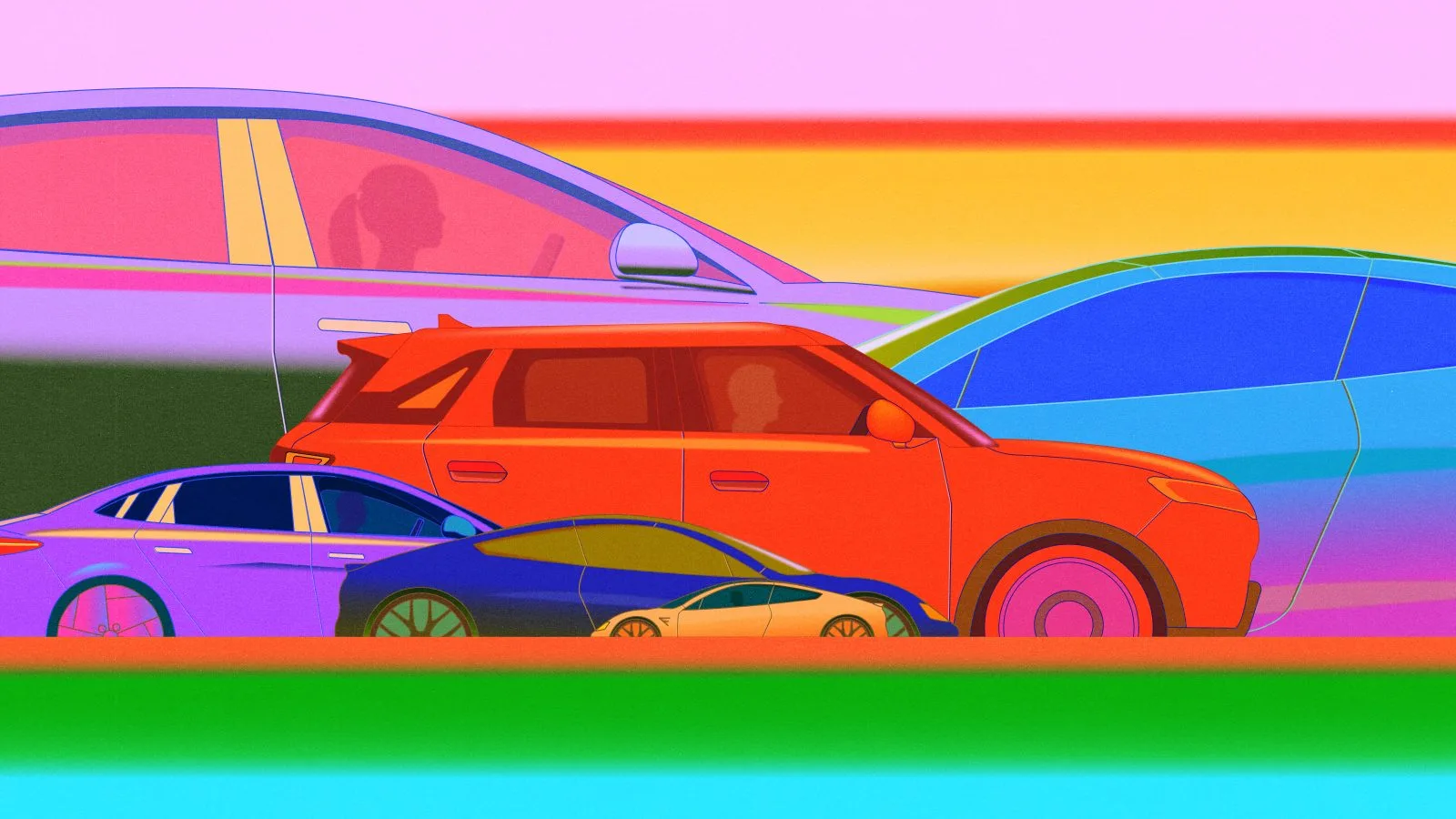

If a big story of the past few years has been the electric vehicle revolution, 2025 was something of a bifurcation. In China, EVs are now fully entrenched in power: Half of all vehicle sales are now electric. In the U.S., there’s been a counterrevolution of sorts, with Donald Trump eliminating the EV tax credit and loosening fuel efficiency standards.
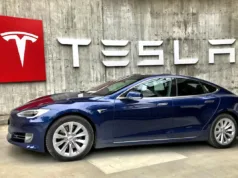
U.S.-based Tesla, long the world’s leading manufacturer of electric vehicles, has fallen to second place, behind China’s BYDBYDBYD Auto is a Chinese carmaker that became the world’s leading EV manufacturer in 2023, competing with Tesla for market share and global attention.READ MORE. Chinese EVs aren’t sold in the U.S., but in at least 10 countries where both Tesla and BYD are available, the most affordable from BYD is cheaper than Tesla’s lowest-cost model, usually by more than $10,000.
Tesla had a tough year. Elon Musk’s politics have alienated some potential buyers. The brand continues to lead EV sales in the U.S., but it’s in a sales slump, and has been losing market share in other fast-growing EV markets such as China and Europe. Meanwhile, Chinese companies, especially BYD, have aggressively expanded in these regions, as well as in Asia and the Middle East, where Tesla has barely broken ground. Musk scored a major win when Tesla shareholders approved a trillion-dollar paycheck, but actually cashing out is far from certain, and depends on hitting a series of ambitious targets.
Not only are Chinese carmakers outpacing their Western rivals in new model launches, but control over sales supply chains, raw material access, and innovation also works in their favor. The country is installing 5,000 bidirectional charging stations, which allow parked EVs to send power back to the grid and pay owners in charging credits. China has won the EV race and is now focused on freight trucks. The country is even using previous economic downturns to its advantage, training driverless trucks on the streets of its notorious abandoned luxury town. Despite this technical prowess, it remains unclear if Chinese EV makers will ever attain the cultural power held by brands like Ford, Mercedes-Benz, and Ferrari.
There is a dirty side to this clean energy. In Zimbabwe, there has been a surge of Chinese investment into mines for lithium, a critical component for batteries. But many locals feel left out — and some have turned to stealing, risking death from falls and cave-ins, as well as violent encounters with corporate security. In the remote islands of eastern Indonesia — home to vast reserves of nickel, another component in batteries — 30,000 migrant workers from China are risking their lives on the frontier of the green energy transition. A collapse in the price of lithium has left mining towns in the “lithium triangle” of Argentina, Chile, and Bolivia wrestling with scarred landscapes and unemployment.
Some skepticism around EVs remains. In small-town Michigan, a Chinese company thought its new battery plant would be welcomed by the struggling community. Instead, some locals cast the company as a Communist Trojan horse. EVs are depreciating much faster than gas-powered cars, in part because their value is largely tied to batteries with uncertain lifespans. Range anxiety abounds, leading some companies to shift from pure-electric to plug-in hybrids. In cold weather climates, disappointed drivers are finding that the cars can lose half their distance when temperatures drop. Global ride-hailing giants like Uber, Grab, and Bolt are far from meeting their EV targets, with adoption under 1% despite public pledges.
While brands like Tesla and BYD make headlines, it’s important to note that in many places, “EVs” doesn’t mean cars at all. More than half of all EVs in India’s capital, New Delhi, are three-wheelers, but there is little official support for these vehicles. Drivers say they’re forced to improvise with makeshift, illegal, and dangerous solutions. Such e-rickshaws are also accelerating the EV push in Pakistan. Ethiopia’s fastest-growing EV company is a motorcycle company started by an entrepreneur from Japan. Different markets have different needs; meeting those needs is how China’s Transsion became Africa’s leading smartphone brand, and how it plans to conquer its roads with e-bikes.