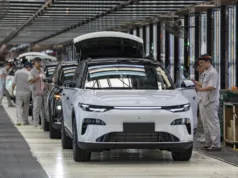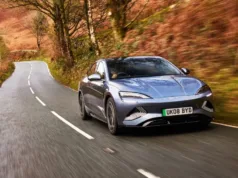
The world is currently characterized by increasing levels of uncertainty. Countries have changed their economic strategies in response to the US-China trade conflict, pandemic disruptions to supply chains, energy geopolitics, and green technology. At this point, China has emerged as the strongest competitor in the development of the electric vehicle (EV) industry, leveraging its state instruments, regulations, and trade diplomacy to capture the global market. This phenomenon points to the emergence of ‘new mercantilism,’ a type of economic competition focused on strategic industrial dominance and national power. China’s focus on the EV industry is not only about market growth but also signals a major shift in how countries compete in the 21st-century global economy.
Mercantilism is an economic system that has been known for many years, emphasizing the increase of a country’s wealth through trade control, protection of national industries, and development of overseas markets. The classical view describes mercantilism as ‘plenty serves power,’ saying that it is not merely an economic policy obsessed with gold; it is also a geopolitical framework aimed at strengthening the state, especially in diplomatic and military relations (Viner, 1948). However, this doctrine has changed in the contemporary era. Many countries now concentrate on mastering technology, strategic supply chains, and industrial innovation capabilities rather than accumulating gold or monopolizing trade. This is in line with Heckscher’s explanation, which defines mercantilism as a system of state development that aims to increase the capacity of the state through broad economic intervention and the use of institutional structures that place the state as the main controller of regulation, trade, and industry (Heckscher, 2013). Alongside this came neo-mercantilism, also known as new mercantilism, which combines active industrial policy, national security policy, and technological competition. The state is the main player in directing, funding, and paving the way for strategic industries, and it is not merely a regulator. This is a relevant perspective for understanding the development of China’s electric vehicle power.
The rise of China’s electric vehicle market is the clearest example of neo-mercantilism. Made in China 2025 (MIC 2025) is a strategic industrial policy that aims to boost China’s domestic manufacturing, including the electric vehicle (EV) industry, so that China can become a world leader in high-tech and environmentally friendly technologies. MIC 2025 focuses on innovation, domestic supply chain integration, and the development of an independent EV industry ecosystem (Yeung, 2019). Since the early 2010s, the Chinese government has strategically positioned the electric vehicle industry as an industry of the future, in line with its ‘Made in China 2025’ agenda. The government has supported this industry in various ways, including massive subsidies for manufacturers and consumers, investment in battery research, protection of the domestic market, and policies restricting fossil fuel vehicles in major cities. The industrial policies planned, designed, and promoted by the Chinese government play a crucial role in China’s electric vehicle development model. Integrating the chemical and rare metals industries, providing massive subsidies to manufacturers and consumers, supporting battery research, and mandating new energy vehicles in major cities. BCG estimates that China’s intervention in electric vehicle technology will be the largest in the world, with total subsidies for the EV sector exceeding USD 100 billion from 2009 to 2020 (Boston Consulting Group, 2025).
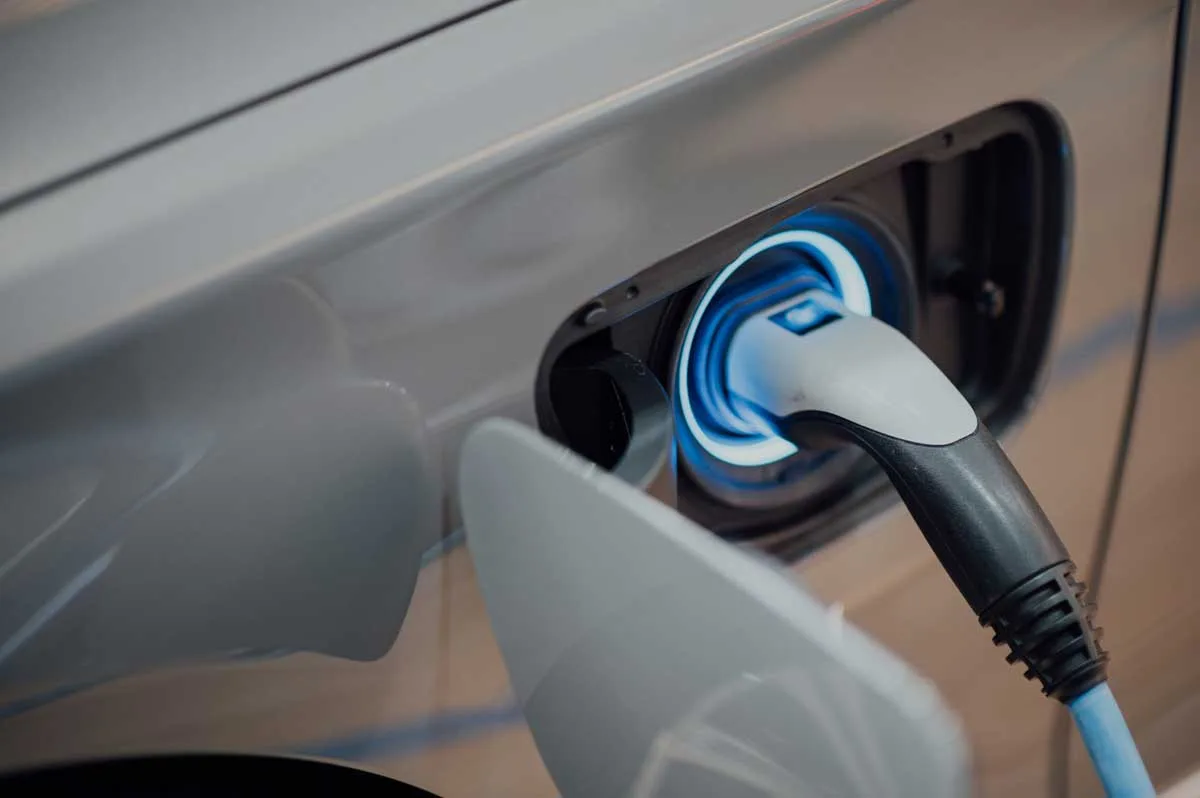
This fact is reinforced by China’s dominance in the international electric vehicle supply chain. A report from the International Energy Agency shows that China is currently responsible for more than 60% of global electric vehicle production, as well as more than 70% of global lithium-ion battery production capacity. These are the most expensive and most strategic components for EVs. (International Energy Agency, 2023). Companies such as CATL and BYD are not only manufacturers but also leaders in vertical integration from upstream to downstream, materials chemistry research, and battery technology. In addition, China has invested in Africa, Latin America, and Southeast Asia to ensure global access to lithium, nickel, and cobalt (International Energy Agency, 2024). Compared to electric vehicles from countries such as Europe, Japan, and the United States, China can export electric vehicles at much lower prices due to their strength in technology and production. Supported by the state through low-interest loans, tax incentives, energy subsidies, and aggressive charging infrastructure development in various cities, this strategy has been successful (Kennedy, 2024). This policy allows Chinese electric vehicles to sell massively to international markets such as Southeast Asia, the Middle East, Africa, and Eastern Europe at prices that are difficult for global competitors to match. Therefore, China’s strength is not solely the result of market efficiency; it is the result of a regulated business strategy tailored to contemporary mercantilism.
Many strategic lessons can be learned from China’s aggressive actions. First, the role of the state has once again become central to industrial and technological progress. Neoliberal theory, which for two decades has emphasized reducing state intervention, appears insufficient to win the technological competition of the future. Second, China demonstrates that innovation does not occur spontaneously. Long-term planning, budget allocation, and disciplinary coordination between the state and business produce it. Third, China’s success shows that supply chain power is a new type of power. The future of the global automotive industry is based on who controls the green industry, namely the industry that controls critical minerals and batteries. Fourth, China’s strategy shows that green technology is a geopolitical arena. Electromobility is not just about cars; it is a tool that will determine the future of energy, transportation, and climate change around the world. Fifth, for developing countries such as Indonesia, it is crucial to understand that foreign investment in the EV industry involves power dynamics and economic opportunities. The downstream processing of important minerals such as nickel should be aimed at increasing domestic industrial capacity, not at becoming a location for extraction or assembly by foreign companies.
However, China’s new mercantilist model is also dangerous. One of the biggest risks is overcapacity, which means that the number of electric vehicles produced exceeds domestic market demand. As a result, manufacturers have to export large quantities of products with very small profits (Asia Society Policy Institute, 2024). In addition, competition among major countries for subsidies could lead to global distortions, disruptions in supply chains, and inconsistencies in technical standards around the world, potentially threatening global economic stability (OECD, 2023). Competition in the green industry, which should contribute to climate change mitigation, could turn into geopolitical competition that actually deepens uncertainty.
Ultimately, China’s EV industry aggression signals a major shift in the global political economy. New mercantilism is not just about protecting and waging tariff wars; it is also about mastering technology, controlling supply chains, and a country’s ability to build a planned industrial ecosystem. Countries that have the ability to develop their own production capacity will have a stronger economic and geopolitical position in today’s era of global uncertainty. Developing countries such as Indonesia can learn from the importance of having a long-term industrial strategy that relies on foreign investment and the enhancement of domestic capabilities and technology. Industrial strength is a pillar of sovereignty and strategic position at the global level in a world increasingly influenced by neo-mercantilism. It is also the foundation of prosperity.