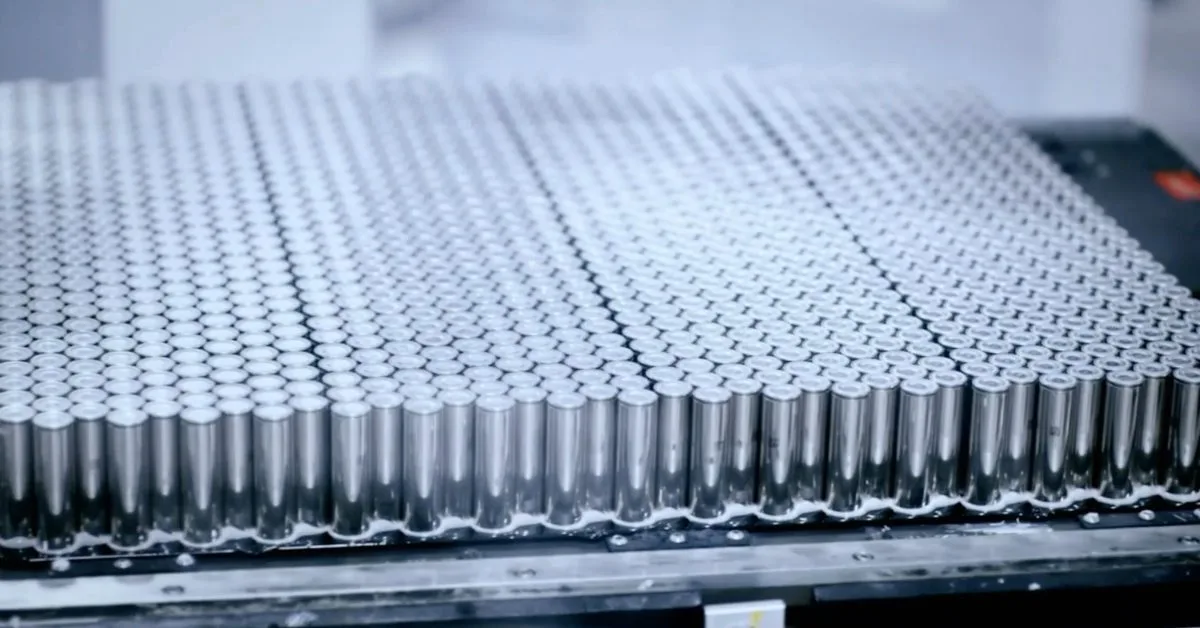
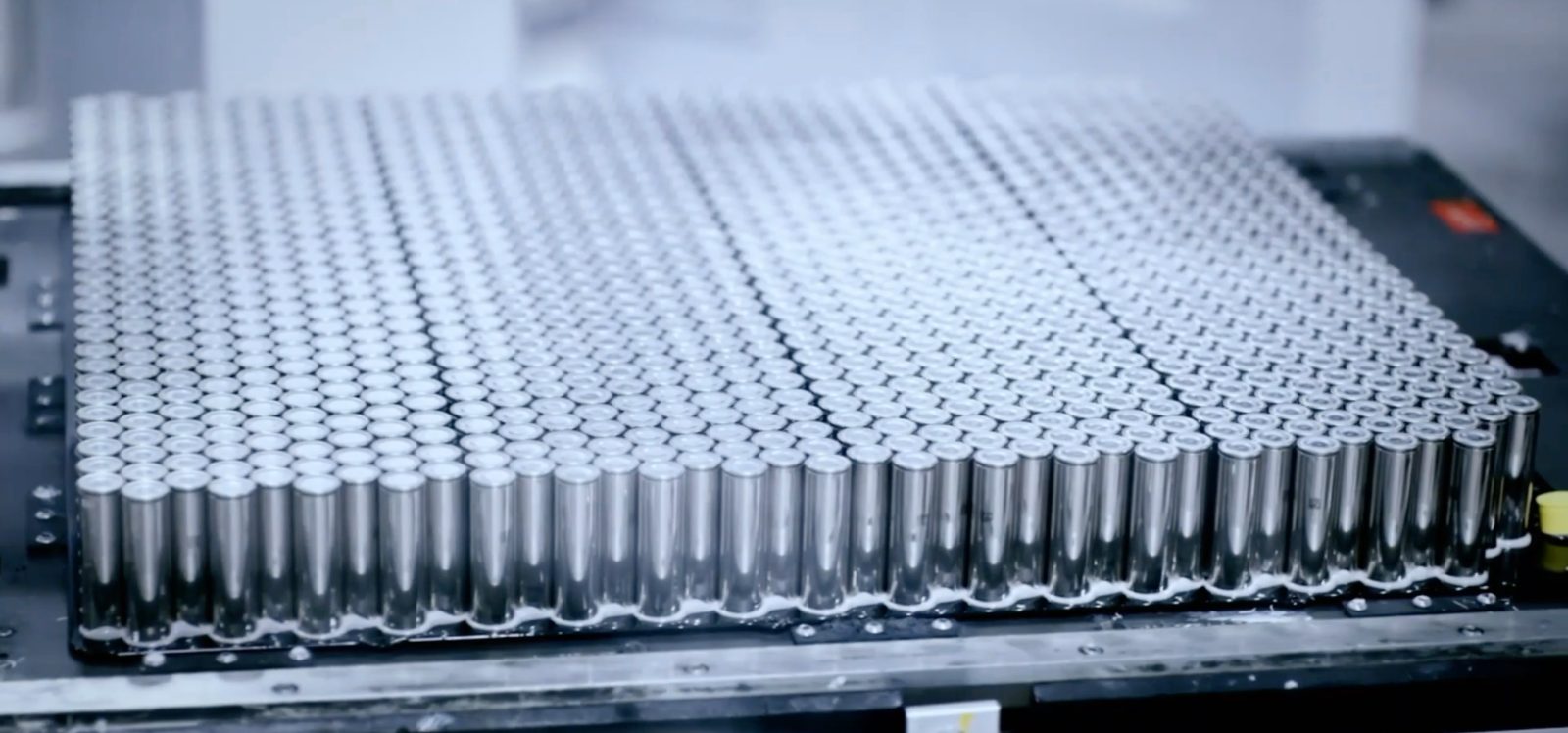
A prominent European EV repair specialist is sounding the alarm on Tesla Model 3 and Model Y vehicles equipped with LG battery cells manufactured in China, claiming they are seeing “catastrophic” failure rates and significantly shorter lifespans compared to Panasonic packs.
For years, the narrative around Tesla’s move to Chinese battery suppliers has been generally positive, with the LFP (Lithium Iron Phosphate) packs from CATL proving to be extremely durable.
However, Tesla also sources Nickel Manganese Cobalt (NMC) cells from LG Energy Solution’s Nanjing facility for its Long Range and Performance models in Europe and parts of Asia.
Now, EV Clinic, a Croatia-based independent research and repair facility known for diving deep into battery diagnostics, has issued a severe warning regarding these specific LG NCM811 packs.
According to the firm, data from its repair center suggests a stark difference in quality between Tesla’s two main higher-energy-density packs: the US-made Panasonic NCA packs and the Chinese-made LG NCM packs.
“We are raising serious concerns about Tesla Model 3/Y LG NCM811 battery packs (LGES Nanjing), which exhibit very high failure rates and significantly shorter lifespans compared to Panasonic NCA packs (Made in USA).”
The shop claims that while Panasonic packs are generally repairable and can last up to 250,000 miles before cell failure, the LG equivalents are approaching end-of-life at around 150,000 miles.
More concerning is the nature of the failure. EV Clinic states that in over 90% of the cases they see with LG packs, cell-level repair is “impossible.”
The issue appears to be widespread degradation across the modules rather than a single bad cell bringing down the pack. They found that LG cells often show extremely high internal resistance.
“A failing Panasonic cell hits roughly 28 mΩ, which is the measurement for LG cells when brand new… Out of 46 cells, it’s common to find 15 cells over 100 mΩ ACIR, and the remaining 30 cells above 50 mΩ ACIR.”
The lab shared an example from a Tesla battery module:
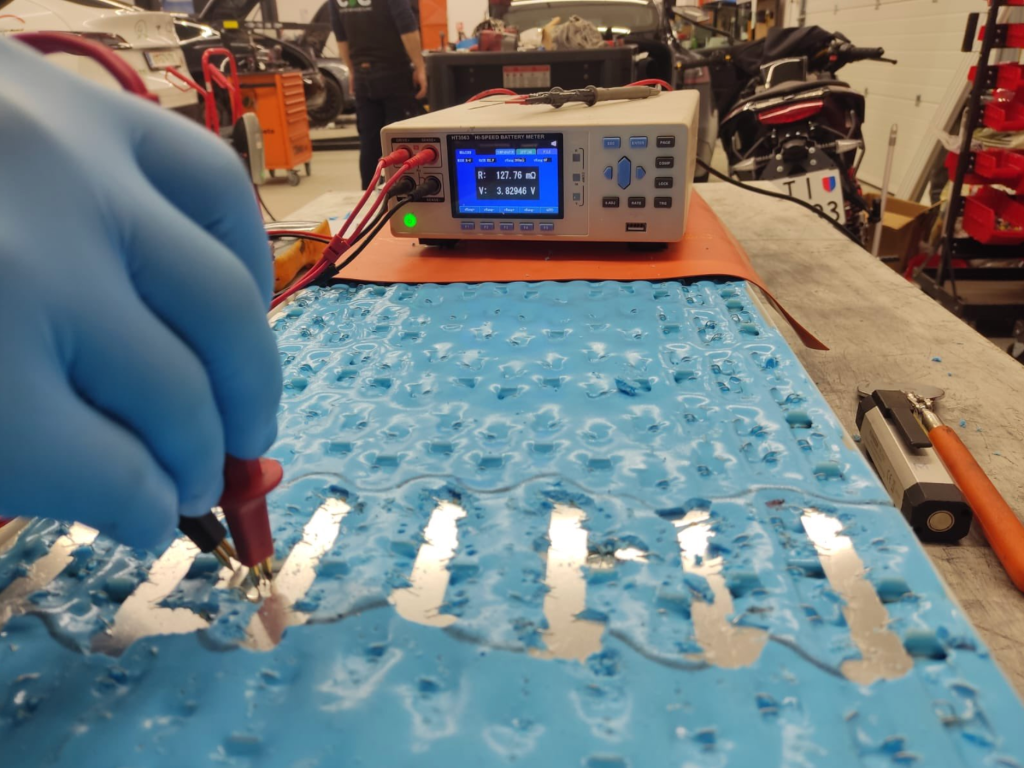
Because the degradation is so uniform and severe, replacing a single faulty module is described as “operationally unsustainable,” as the remaining weakened cells are likely to fail in a cascade shortly after.
The situation has become so problematic for the shop that they announced they are introducing a “feasibility fee” just to check if these specific packs can be repaired, noting that they are “losing over €20,000 each month” attempting to fix packs that are effectively dead.
At this moment, during ongoing experimental testing with real customers experiencing LG failures, we are losing over €20,000 per month in operational time while investigating whether LG’s Chinese NCM811 systems can be sustainably repaired. At this stage, we can confidently say: the cells are, to put it mildly, catastrophic. Panasonic has mostly single-cell failures at 250,000km, and it is repairable, whereas LG has multiple-cell failures.
Their advice to owners with failed LG packs? Swap it for a used Panasonic pack or go to Tesla for a full replacement.
Electrek’s Take
This is a pretty damning report from a shop that is well-respected in the aftermarket repair community for actually tearing these things apart and attempting to fix them rather than just swapping them out.
We know that Tesla has been diversifying its battery supply chain aggressively, and for the most part, it has worked out well. The CATL LFP packs are tanks, heavy, but durable. But the NCM chemistry is trickier, and if these findings from EV Clinic hold up across a larger sample size, it could be a headache for Tesla, especially in Europe, where many of the China-made NCM packs end up.
It’s worth noting that this applies specifically to the LG NCM811 packs from Nanjing. Many US Tesla owners have Panasonic packs, which this report actually praises as highly durable and repairable.