

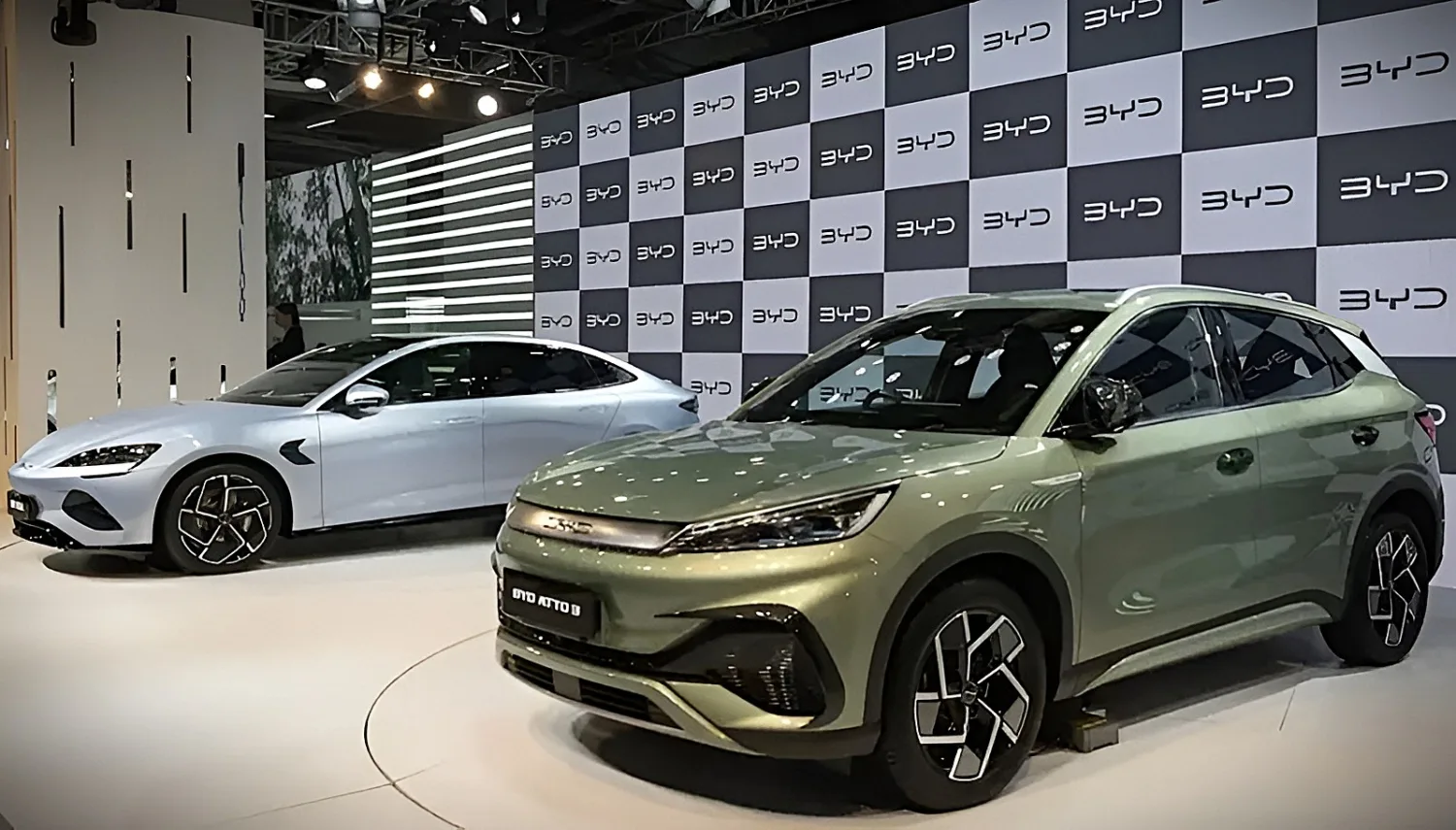
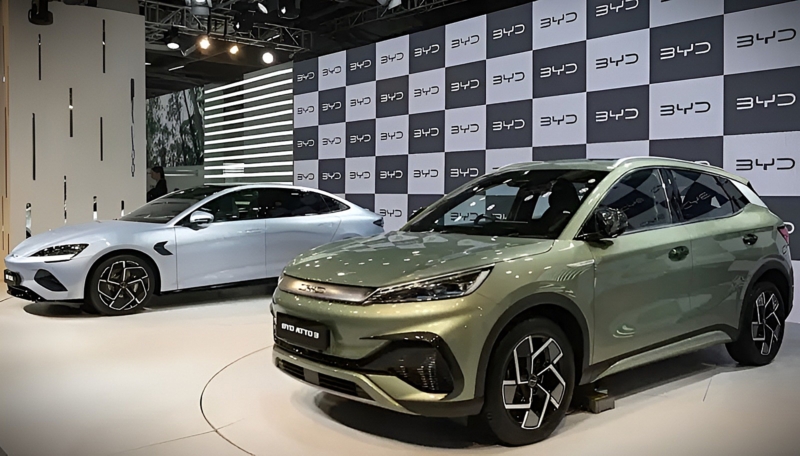
Chinese electric vehicle maker BYD is evaluating options to expand its operations in India, including locally assembling vehicles, in response to strong demand and regulatory constraints on imports, according to people familiar with the matter. The company’s assessment follows a surge in orders that has strained its ability to supply products under existing import quotas, according to Y-Auto.
India currently limits imports of each fully built vehicle model to a maximum of 2,500 units per year, a policy that has presented operational challenges for BYD as demand outstrips the cap. Dealers in the country are reported to hold hundreds of bookings for BYD electric vehicles, and much of the inventory for the December quarter was sold out.
BYD’s India sales grew by about 88 per cent last year to roughly 5,500 units despite high import duties of up to 110 per cent on complete cars. The company’s pricing strategy positioned some of its models below competitors’, such as Tesla’s, in the Indian market.
To address both the regulatory cap and tariff burden, BYD is considering assembling semi-knocked-down kits in India. This approach involves importing partially completed vehicles and finishing assembly locally. Industry contacts said semi-knocked-down assembly could reduce tariffs from around 70 per cent to about 30 per cent, lowering cost and easing regulatory approval compared with supplying fully built cars.
India previously declined BYD’s proposal to establish a full assembly plant in the country. Current discussions focus on the lower cost and potentially faster regulatory clearance of assembling semi‑finished components. Any such manufacturing move would be contingent on visits by senior BYD executives to India, sources said.
In India, BYD sells several models, including the Atto 3 compact electric sport‑utility vehicle and the eMax7 multipurpose vehicle. The company also offers the Sealion 7 and Seal sedan, which have been approved for import beyond the standard quota limits.
The proposed shift toward local assembly is intended to expand BYD’s ability to deliver vehicles to Indian customers without violating import regulations. The strategy remains under evaluation and has not been publicly confirmed by BYD or Indian regulators.
BYD’s consideration of assembly in India is part of broader efforts by Chinese electric vehicle manufacturers to adapt to regulatory environments in key overseas markets.
The company’s reassessment comes amid tightened import policies that limit the number of fully built vehicles and high duties that increase the cost of sales in India.

Follow us for ev updates


