


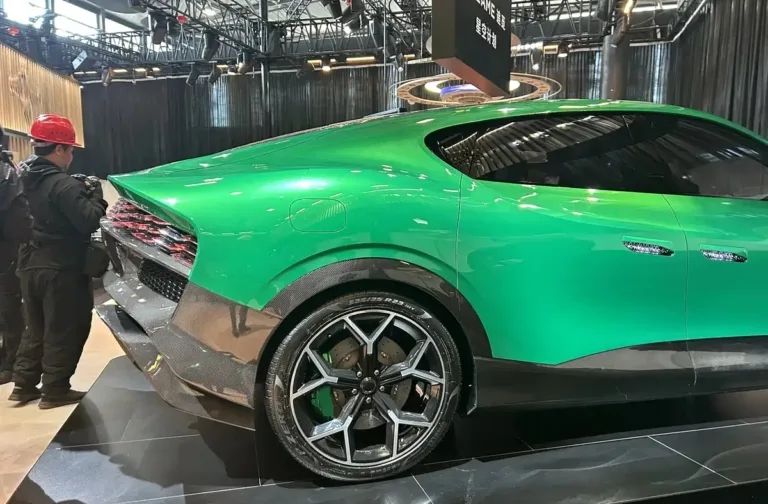

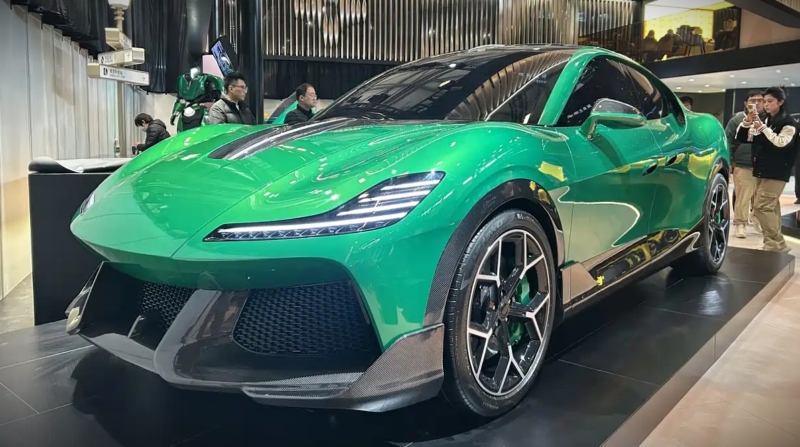
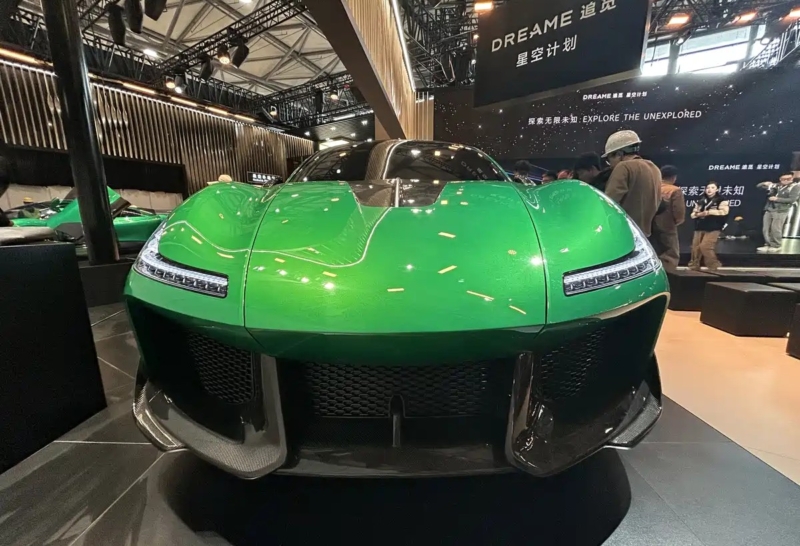
Dreame’s Nebula Next 01X debuted today at the 2026 Appliance & Electronics World Expo (AWE), marking the first SUV under Dreame’s Starry Sky Plan to integrate L4 autonomous hardware. The concept utilises a 2nm process chipset delivering 2,000 TOPS of single-core computing power to enable proactive, non-intrusive intelligent driving.
Technical Brief
The Nebula Next 01X features the Starry Sky Tianxun intelligent chassis, incorporating an EMAD electromagnetic active suspension that improves response speed by 10x while reducing energy consumption by 50%. This architecture is built on a 14-degree-of-freedom non-linear control system that achieves 1 millisecond full-domain synchronisation across the powertrain and chassis domains. Mechanical testing data indicate a 25% improvement in cornering stability and a 30% increase in grip on wet surfaces compared to traditional air suspension setups.
Dreame confirmed the SUV utilises the Starry Sky Tianxun battery system, which features the world’s first mass-producible 60Ah solid-state cell. Current single-cell energy density is verified at 450 Wh/kg, with a roadmap targeting 800 Wh/kg in future iterations. For the Ultra-Luxury variant, a 0-100 km/h sprint of 1.8 seconds is achieved via a high-discharge Super Track mode, while the EREV variant delivers a 550 km CLTC pure electric range. The EMB intelligent braking system further complements the performance hardware, reducing response times to under 80 milliseconds with a precision of 0.1 MPa.
Fastback Classification
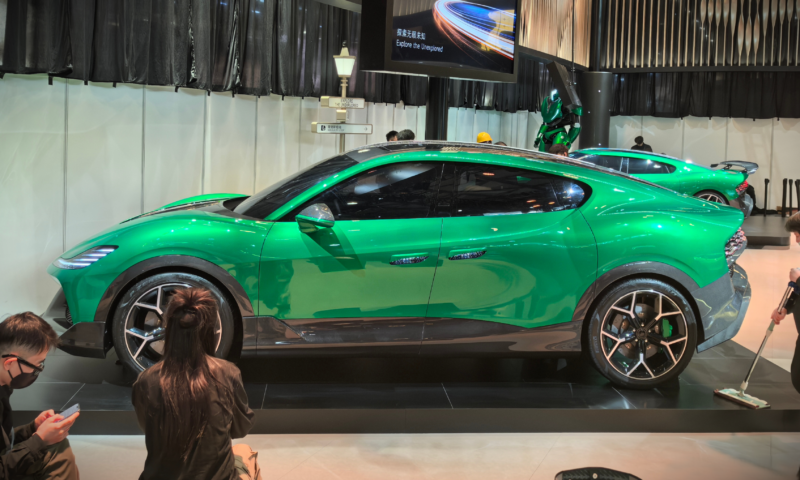
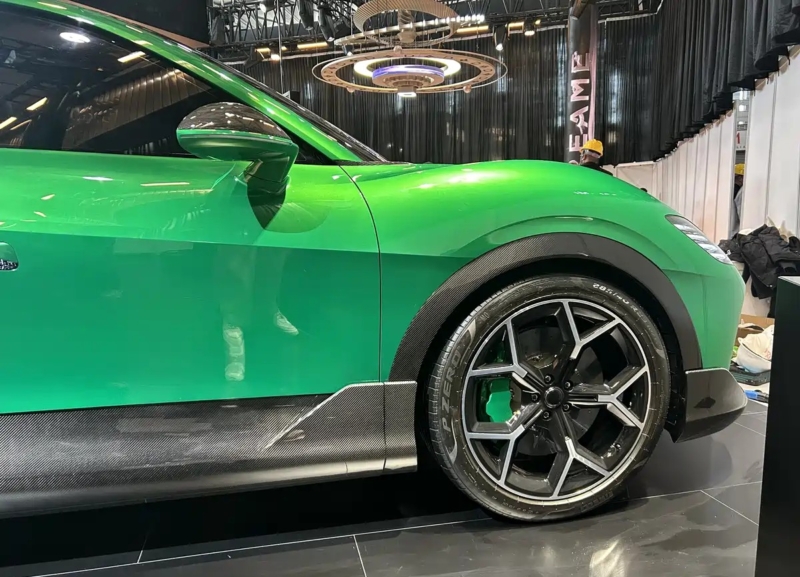
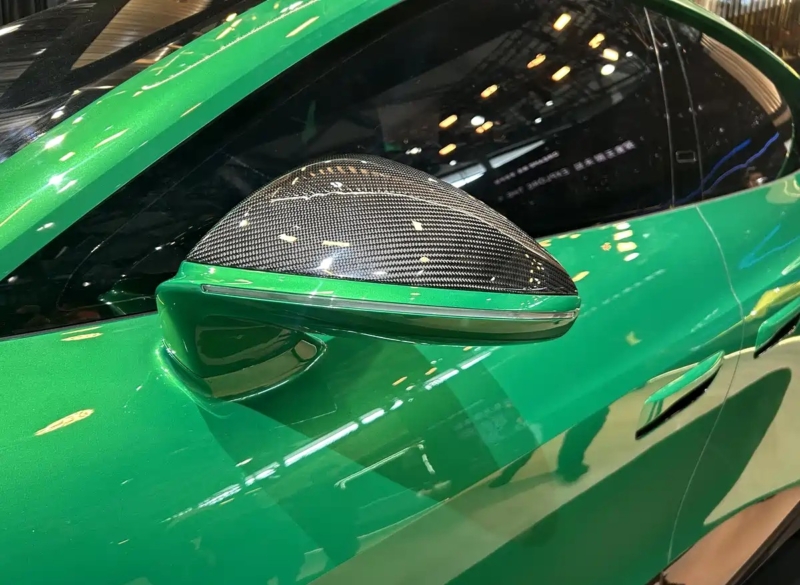
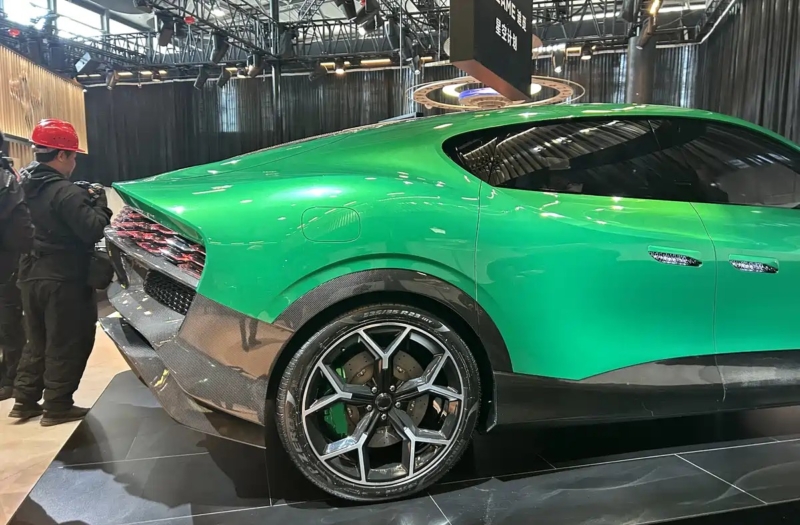
While the Starry Sky Plan officially markets the Nebula Next 01X as an SUV, its physical proportions suggest a technical pivot toward a performance liftback. The vehicle features a silhouette and ground clearance remarkably similar to the Polestar 2, functioning more as a high-riding four-door fastback than a traditional high-volume crossover. This design choice optimises aerodynamic efficiency for the 550 km range target while maintaining the “Super Hub” interior volume required for Dreame’s human-car-home ecosystem.
Market Context
Dreame’s automotive entry follows a vertical integration strategy that includes self-developed high-speed motors and VLA+ world-model algorithms. By utilising a global contract manufacturing model, the company aims to bypass traditional heavy-asset production barriers to initiate mass production by 2027. The Starry Sky Plan, first revealed at CES 2026, will leverage Dreame’s existing 6,500 global retail outlets to support the launch of 300 dedicated direct-sales centres over the next three years.
This technical offensive places Dreame in direct competition with the Xiaomi SU7. Unlike the 1,139 kW peak output of the flagship Xiaomi, Dreame’s quad-motor powertrain reaches a combined 1,399 kW, utilising independent cooling for each drive unit. The use of 2,000 MPa aerospace-grade steel and a 45,000 Nm/degree torsional stiffness suggests Dreame is prioritising structural rigidity to offset the weight of its complex ADAS sensor suite. As high-level autonomous hardware becomes a baseline for 2026 luxury releases, Dreame is positioning its appliance-tier supply chain efficiency as a primary lever to undercut established European premium brands like Bentley and Bugatti.
| Feature | Specification |
| Computing Power | 2,000 TOPS (2nm Chip) |
| Battery Type | 60Ah All-Solid-State |
| 0-100 km/h | 1.8 Seconds (Custom Edition) |
| Pure EV Range (EREV) | 550 km (CLTC) |
| Brake Response | < 80 Milliseconds |


Follow us for ev updates