



Chery officially launched the Chery QQ3 EV on March 30, introducing four variants with a limited-time price range of 58,900 – 78,900 yuan (approximately 8,200 – 11,000 USD). The company reported 56,879 orders at launch, according to official data.
| Variant | Price (yuan) | Price (USD) |
|---|---|---|
| 310 km Love Edition | 58,900 | 8,540 USD |
| 310 km Share Edition | 67,900 | 9,850 USD |
| 420 km Love Edition | 68,900 | 9,990 USD |
| 420 km Share Edition | 78,900 | 11,440 USD |
CarNewsChina previously reported that pre-sales for the model began earlier in March with a starting price of about 10,000 USD. The Chery QQ3 EV entered the market to compete with small EVs such as the Geely EX2 and BYD Seagull.
Exterior and dimensions
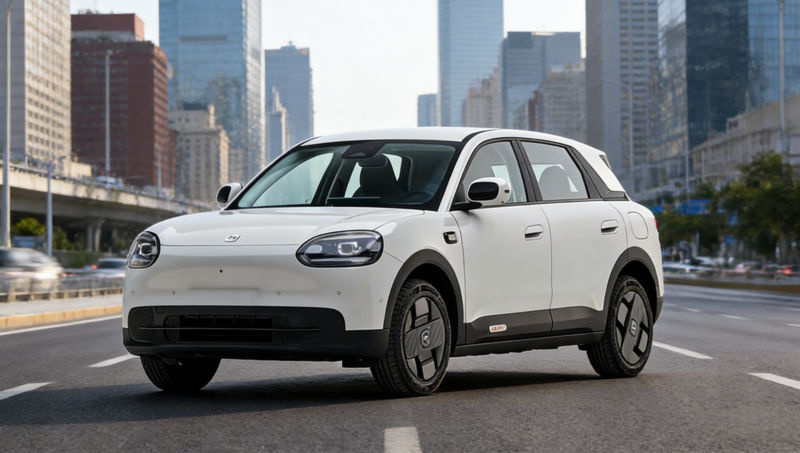
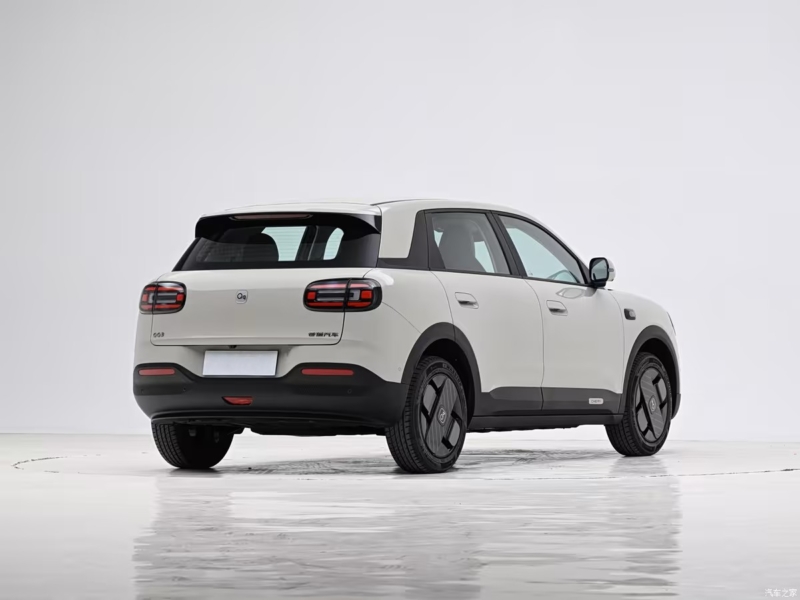
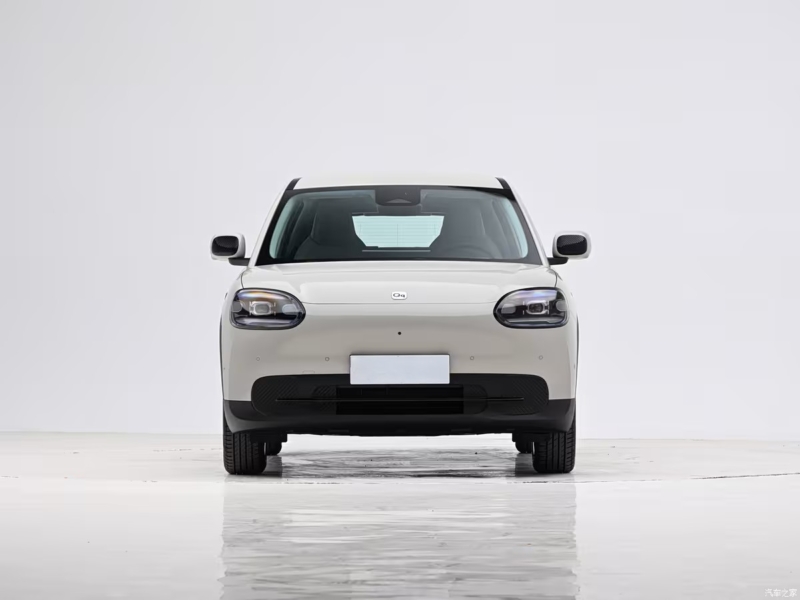
The QQ3 EV adopts a rounded design language described by the brand as “square within round.” Exterior elements include a closed front grille, Q-shaped LED headlights, and a rounded lower air intake. Semi-hidden door handles and black wheel arch trim are also fitted.
The model measures 4195 mm in length, 1811 mm in width, and 1573 mm in height, with a wheelbase of 2700 mm. Six exterior colours are available, along with optional personalised roof finishes.
Interior and cockpit system
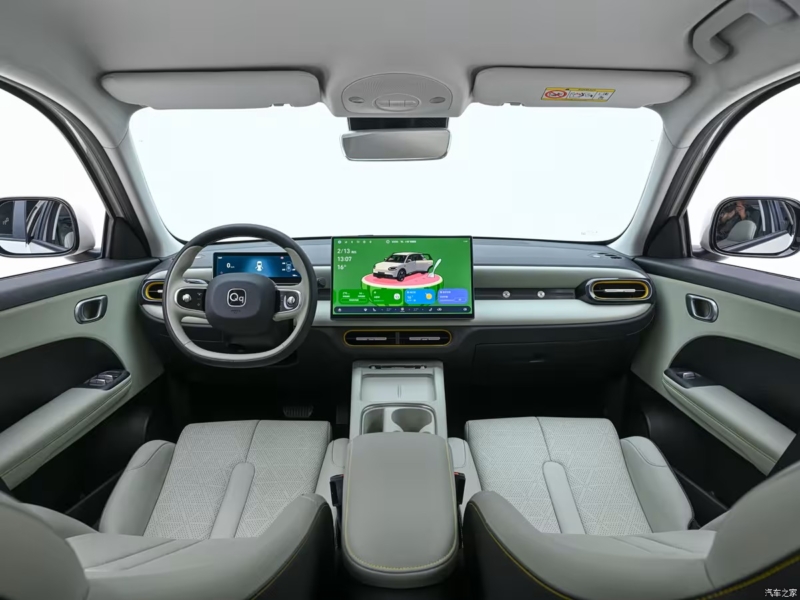
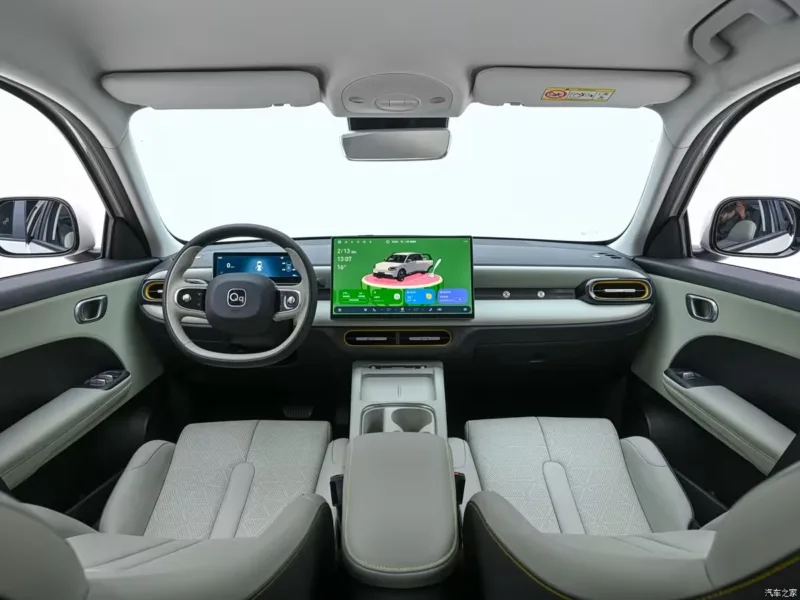
The cabin offers black and green colour themes and integrates Chery’s AI Lingxi cockpit system. The infotainment setup in higher trims includes a 15.6-inch 2.5K central display paired with an 8.8-inch instrument cluster, powered by a Qualcomm Snapdragon 8155 chip.
The system integrates the Carmind AI agent and supports “visible-to-speak” voice interaction. Connectivity features include Apple CarPlay, Huawei HiCar, and Carlink.
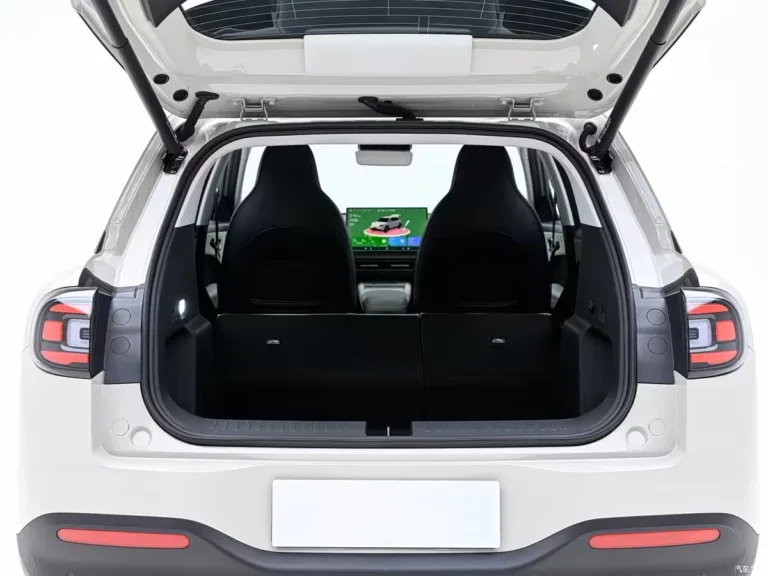
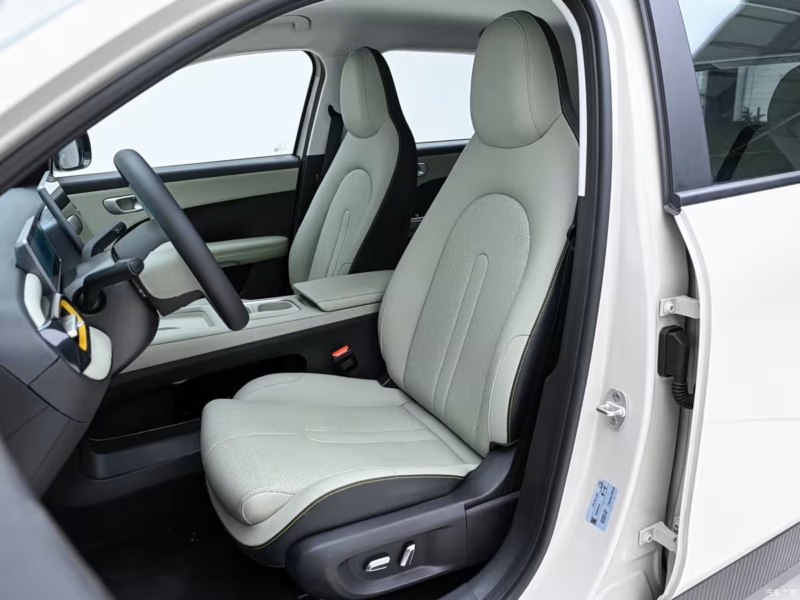
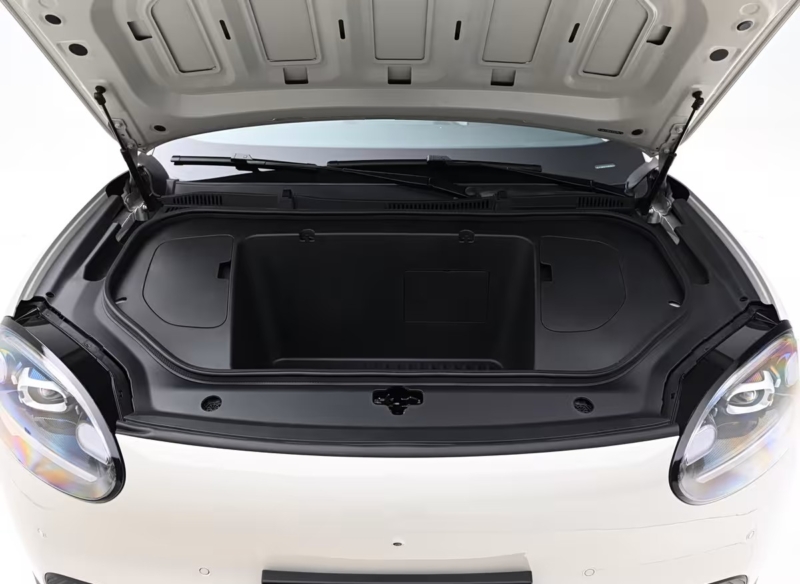
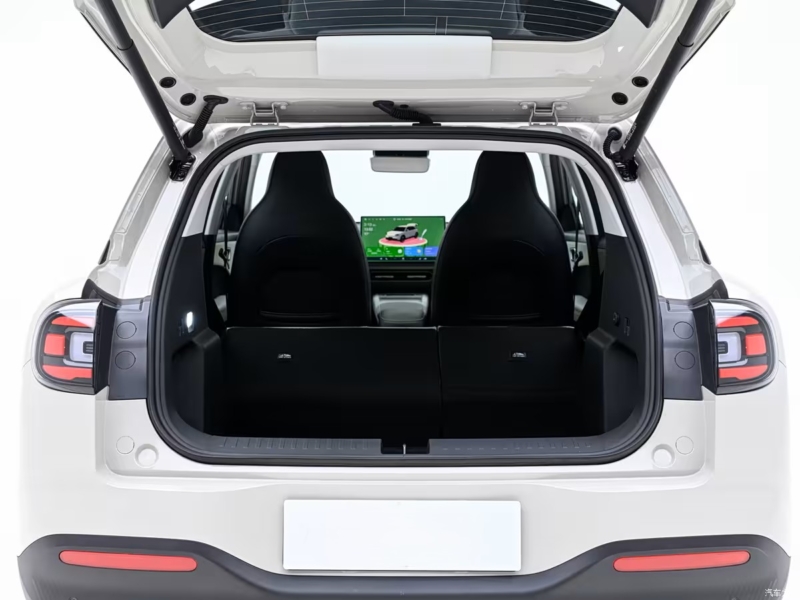
Additional cabin features include ventilated and heated front seats, a smart colour-temperature mirror, Bluetooth key, and external voice broadcast. The vehicle provides 38 storage areas, including a 70 L front trunk, a rear cargo space expandable from 375 L to 1450 L, and a 35 L compartment under the rear seats.
Powertrain and charging
The QQ3 EV uses a rear-mounted motor with rear-wheel drive. Two power variants are available, delivering 58 kW with 90 Nm torque and 90 kW with 115 Nm torque.
Battery options include 29.48 kWh and 41.28 kWh packs, corresponding to CLTC ranges of 310 km and 420 km. Fast charging from 30% to 80% takes no more than 16.5 minutes.
The vehicle also supports vehicle-to-load functionality with 3.3 kW and 6.6 kW output.
Driver assistance and hardware
The optional Falcon 500 driver assistance system is powered by a Horizon J6E chip with 80 TOPS of computing power. According to sources, it supports functions such as highway navigation assist and automated parking.


Follow us for ev updates