


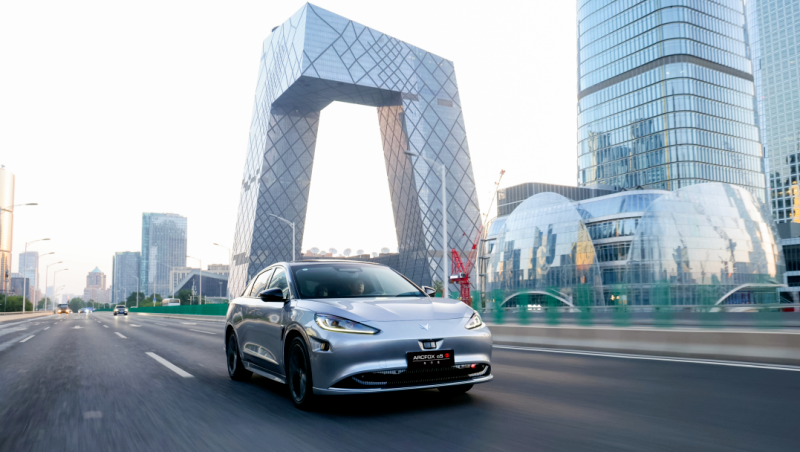
China’s Ministry of Industry and Information Technology (MIIT) has completed drafting the country’s first mandatory safety standards for higher-level autonomous driving systems, with implementation proposed for July 1, 2027. The draft, titled “Intelligent Connected Vehicles – Safety Requirements for Autonomous Driving Systems,” was released for public comment on February 12, 2026.
Key requirements for L3 systems
The new standards significantly raise the safety baseline for Level 3 autonomous driving systems. According to international classifications by the Society of Automotive Engineers (SAE), L3 systems can perform all driving tasks under specific conditions but require the driver to respond to takeover requests.
The draft standards introduce a crucial new requirement: if drivers fail to respond to takeover requests, L3 systems must be capable of executing minimal risk manoeuvres independently. This includes the ability to change lanes and safely park the vehicle in a location that doesn’t obstruct traffic while minimising risks to passengers and other road users.
A vehicle safety technology expert quoted by Caixin noted that these new requirements effectively push L3 systems much closer to L4 capabilities, addressing an industry challenge of what happens when drivers cannot take control.
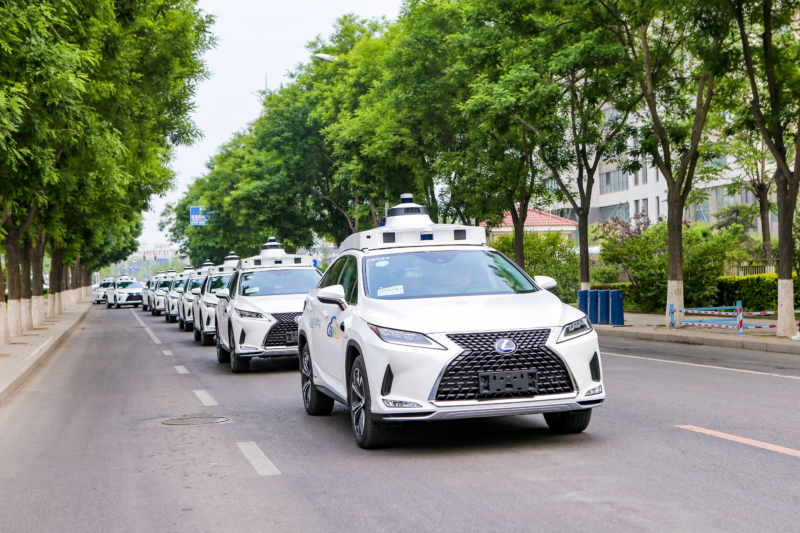
Mandatory data recording systems
The draft also mandates that autonomous vehicles be equipped with an Autonomous Driving Data Recording System (DSSAD), similar to an aircraft’s “black box.” This system must comply with China’s mandatory national standard on data recording systems for intelligent connected vehicles, which took effect in January 2026.
The DSSAD will accurately record critical operational data, allowing investigators to reconstruct scenarios after traffic accidents.
Implementation timeline and transition
The draft standard, once finalised, will replace the recommended national standard “General Technical Requirements for Autonomous Driving Systems of Intelligent Connected Vehicles” implemented in September 2024. While recommended standards are voluntary, mandatory standards must be followed, and non-compliant products will be prohibited from production, sale, and import in China.
A transition period will be provided for already approved vehicle models, which will have 13 months from the standard’s implementation date to comply with the new requirements.
The explanatory document accompanying the draft cites several high-profile autonomous driving accidents worldwide as motivation for stricter regulations. These include collisions involving Waymo, Uber, Cruise, and Toyota vehicles. China also experienced a recent incident in December 2025 when a Hello Robotaxi struck a pedestrian in Zhuzhou, Hunan province, reportedly failing to identify a person who had fallen on a slippery road.


Follow us for ev updates