



Nio’s daily number of battery swaps reached 175,976 on February 21, the fifth day of the Lunar New Year, setting a new record for four consecutive days. That’s the equivalent of a car completing a battery swap in less than 0.5 seconds on average.
Prior to this, on February 18 (the second day of the Lunar New Year), Nio’s daily battery swap was 158,290. On February 19, it was 165,898. On February 20, it was 170,305.

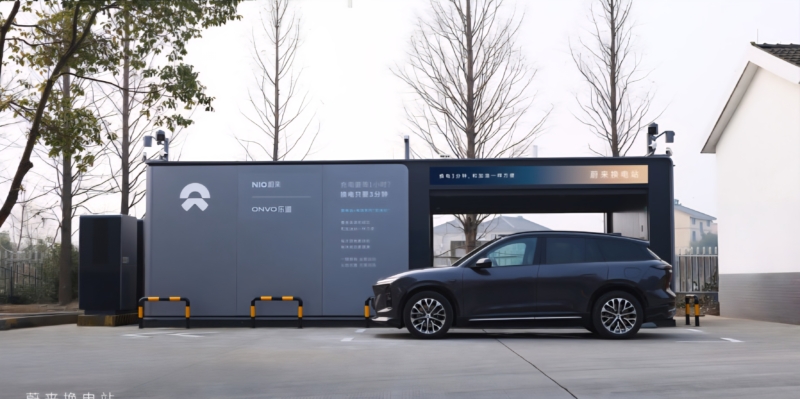
Earlier this month, Nio reached its 100 millionth battery swap milestone since the commissioning of its first battery swap station in 2018. At that time, Nio’s battery swap stations only had four to five batteries in their battery compartments, with a daily service capacity of 72 to 120 swaps and a swap speed of four to five minutes. During the swap process, manual assistance was required for vehicle positioning.
Nearly eight years later, Nio’s battery swap stations have evolved to the fourth generation. Swap time has been reduced to 2 minutes and 24 seconds, battery compartment capacity has increased to 23, and the daily service capacity can support up to 480 swaps.
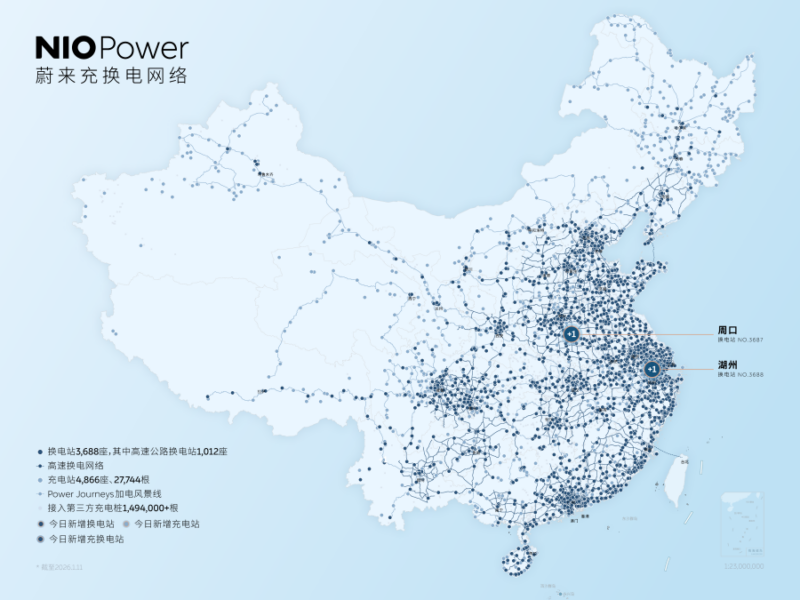
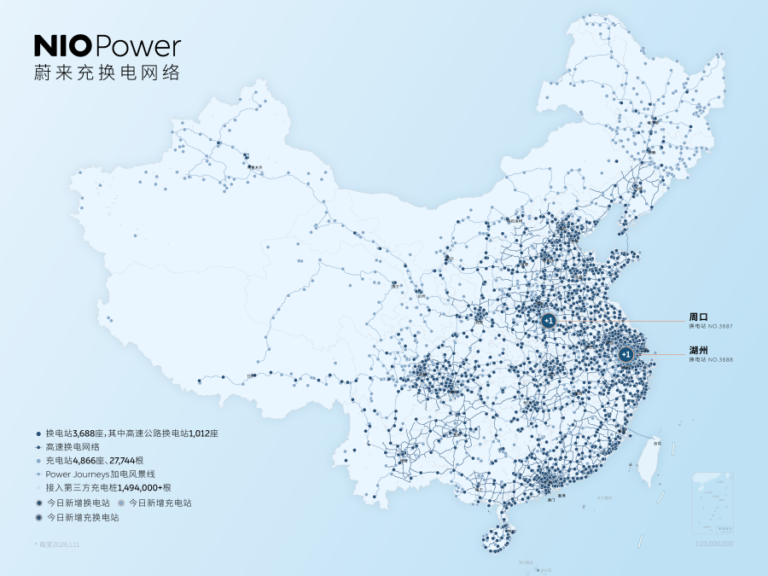
To date, Nio has built over 8,600 charging and battery swapping stations across China, including over 3,700 battery swapping stations and over 1,000 highway battery swapping stations. This network covers 550 Chinese cities and connects to the highways of 16 major urban clusters.
Looking ahead to 2026, Nio plans to begin large-scale construction of its fifth-generation battery swap stations and build 1,000 new battery swap stations, increasing the number of charging routes to 100.
Following the completion of its Sichuan-Tibet and Yunnan-Tibet battery swap routes last year, the Silk Road battery swap route will be opened this year starting from Xi’an and heading west. The route passes through Mogao Caves, Tianchi Lake, and Sayram Lake, finally arriving in Khorgos, covering a total distance of 3,133 kilometers, with a total of 33 charging and battery swapping stations.
Source: Nio
Follow us for ev updates